



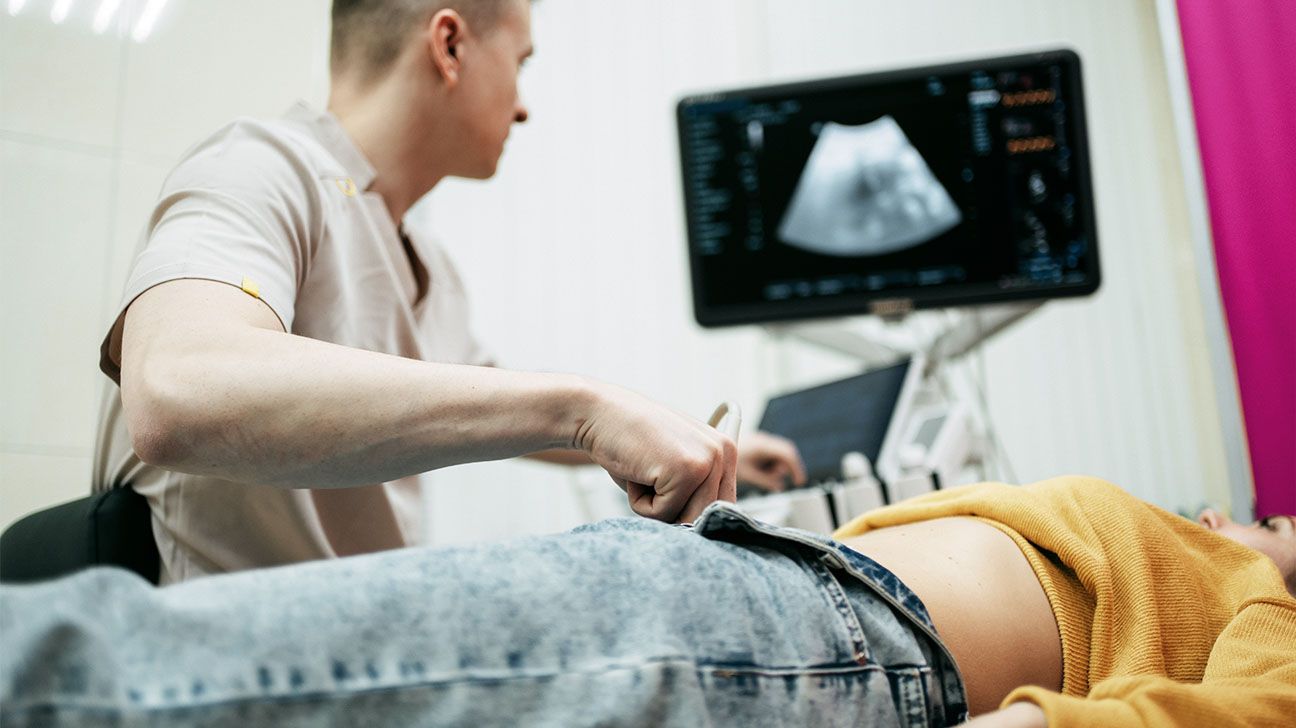
- New guidelines from the American Cancer Society endorse self-collection of vaginal specimens for HPV testing in clinical settings.
- Females must be between 25 and 65 and have an average risk to be eligible for self-collection.
- Changes have also been made in the exit criteria for older females.
- More stringent cancer screening is now required for females to cease testing.
- The goal is to improve screening access and reduce high cancer rates over age 65.
The American Cancer Society (ACS) has updated its cervical cancer screening guidelines to endorse self-collected vaginal specimens for human papillomavirus (HPV) testing, marking a major shift in U.S. screening practices.
The changes allow average-risk individuals ages 25 to 65 to collect their own samples in clinical settings — or, in limited cases, at home — using FDA-approved kits.
The update aims to improve screening access and equity by removing barriers for underserved populations, while also revising exit criteria to require HPV testing at ages 60 and 65 to address persistently high cancer rates in people over 65.
This follows recent Food and Drug Administration (FDA) approvals of several HPV tests and collection devices for use in clinical settings, as well as one option for at-home collection.
Historically, cervical cancer screening relied on clinician-collected samples obtained during a pelvic exam, either for a Pap smear alone, HPV testing, or a combination of both.
While effective, this approach can be a barrier for those who face discomfort, limited access to care, or other obstacles to in-person screening.
HPV testing using self-collected vaginal specimens has now been shown to have sensitivity and specificity comparable to clinician-collected samples when PCR-based assays are used.
Multiple studies and meta-analyses reviewed by the ACS Guideline Development Group (GDG) found high agreement between the two methods, particularly for detecting high risk HPV types linked to cervical precancer.
Under the new ACS guidance, average-risk individuals may self-collect vaginal specimens for HPV testing using FDA-approved kits. These widely available kits are currently designed for use within healthcare settings under the guidance of a primary care physician or gynecologist, according to the ACS guidelines.
The only FDA-approved option for at-home self-collection is currently the Teal Wand, which has limited availability and is only offered through a proprietary telehealth service.
If the result is negative, repeat screening is advised in three years, which is a shorter interval than the five years recommended for clinician-collected HPV tests. The ACS refers to this as a “margin of safety” while awaiting more long-term U.S. data on self-collection performance.
Approved options include:
- Roche cobas HPV test with FLOQSwab or Evalyn Brush
- BD Onclarity HPV test with FLOQSwab
- Abbott Alinity m with Evalyn Brush or Qvintip swab
- Teal Wand for at-home use with the Roche cobas HPV test (through a proprietary telehealth service)
Self-collection cannot replace clinician collection for certain higher-risk groups, however, such as those with HIV, immunosuppression, prior cervical cancer, or in utero exposure to diethylstilbestrol (DES).
These patients require both HPV and cytology testing, and cytology cannot be performed on self-collected specimens.
The guideline update also addresses another long-standing issue: unclear and hard-to-implement criteria for exiting screening at age 65 and beyond.
About one-quarter of cervical cancers in the U.S. occur in females over 65, with mortality twice that of younger females — a problem linked to inadequate screening in the years before stopping.
Previously, the ACS advised ending screening at age 65 if an individual had a documented history of adequate negative tests in the prior 10 years. In practice, this proved difficult because medical records were often incomplete, leading to missed screenings.
The new recommendation takes a forward-looking approach: average-risk individuals should have negative primary HPV tests (preferred) or negative co-tests at both ages 60 and 65 before stopping screening.
If these are not available, three consecutive negative Pap tests at the recommended interval, with the last test administered at age 65, are also acceptable. For those using self-collected HPV testing, the three-year interval applies.
Screening should continue past age 65 for anyone with certain risk factors, including HIV, immunosuppression, abnormal results in the past 10 years, cervical precancer in the past 25 years, or any history of cervical cancer.
By adding self-collection as an evidence-based option and simplifying exit criteria, the ACS aims to make cervical cancer screening more flexible, accessible, and effective, while maintaining safety through clear follow-up protocols and risk-based decision making.
After this, screening can be done every three to five years, depending on the test used.
“Patients need to understand that they now have the option to collect their own vaginal specimen for HPV testing at home or in a clinical setting,” Kahn told Healthline, “but this requires more frequent screening than traditional clinician-collected samples.”
Ryan added that while self-collection using FDA-approved devices and HPV assays is acceptable, clinician-collected cervical specimens are still preferred.
“Additionally, patients should know that the criteria for stopping screening have changed — they now need negative HPV tests at both ages 60 and 65 years to safely exit screening, rather than the previous less stringent requirements,” he said.
Jennifer Lincoln, MD, an author, women’s health advocate, and board certified OB-GYN, said that the ACS’s updates represent progress in cervical cancer screening, especially when it comes to reducing barriers to care. Lincoln wasn’t involved in the new guidelines.
Speaking about the allowance for self-collected samples for HPV testing, she said, “This is significant because over 1 in 4 U.S. females are behind on screening, with 32% citing discomfort as a barrier.”
Lincoln further noted that several groups of females, including those in rural areas, those without easy healthcare access, trauma survivors, and anyone who feels uncomfortable with speculum exams, can benefit from these changes.
This is especially noteworthy, she added, because females in rural areas face higher cervical cancer mortality.
“Multiple testing options also increase the likelihood that patients will actually get screened by meeting them where they are,” said Lincoln.
