



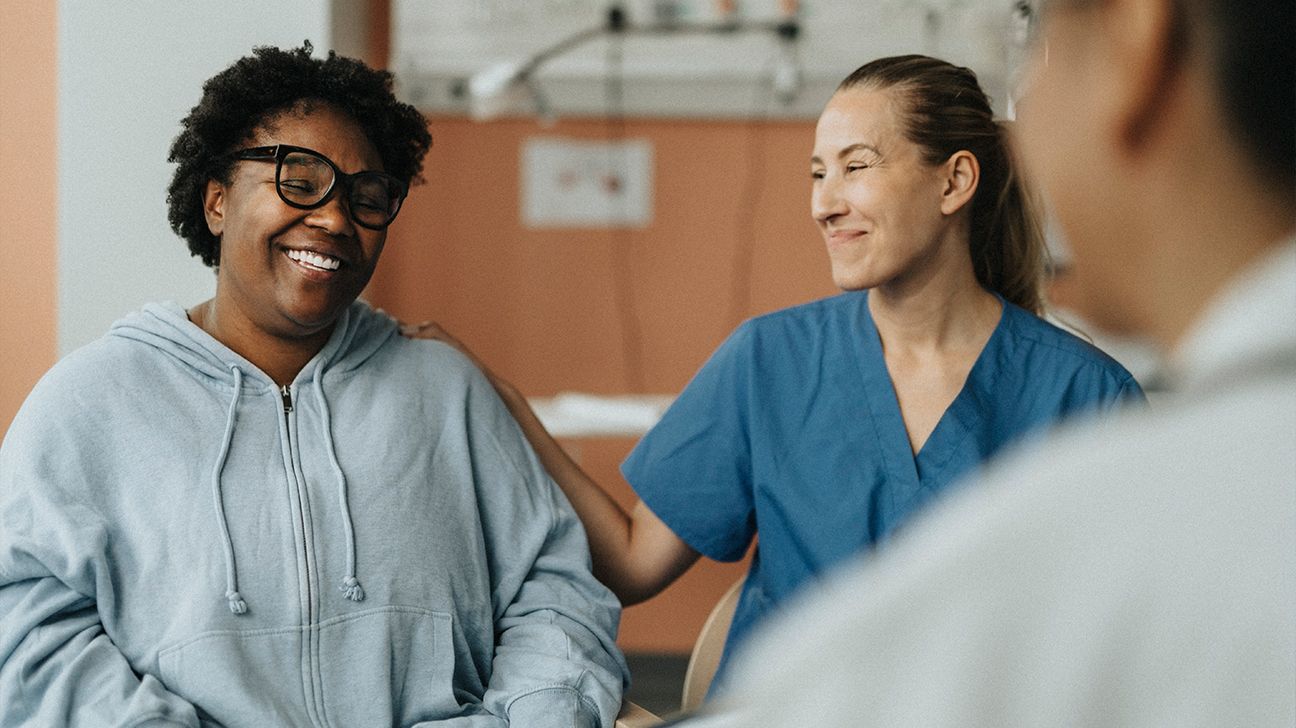
- Cancer survival rates have reached a record high, according to a new report from the American Cancer Society (ACS).
- The positive trend is attributed to innovations in precision treatment, expanded screening, and reduced tobacco use.
- Despite the overall improvement in survival rates, Native Americans, Black Americans, and rural populations continue to face higher rates of death from cancer.
People are living longer after a cancer diagnosis than ever before.
According to a
People diagnosed with historically deadly cancers are also now living much longer than they would have in the mid-1990s.
The findings of this report are based on people diagnosed from 2015 to 2021 and point to cancer shifting from “a death sentence to a chronic disease,”
Three key factors are driving this progress: Research-driven innovations, expanded screening efforts, and decades of declining tobacco use. Here’s what you need to know.
Research played a pivotal role in making cancer treatment more targeted and effective.
Speaking on a call with journalists,
Today, therapies target specific cancer mutations and harness the body’s immune system to fight the disease.
“Being able to understand the cancer genome really, totally changed the way we began to think of cancer treatment,” Dahut said. He added that layering targeted therapies with immunotherapy has had “the most dramatic effect” on survival rates.
Early detection through screening has dramatically improved survival rates for breast, cervical, prostate, colorectal, and lung cancers, according to the new ACS report.
Catching cancer early makes it far more treatable — yet screening rates for lung cancer, the most deadly form of the disease, remain low.
“The screening numbers are abysmal for a screening test that has been shown to actually change survival,” Dahut said.
According to the ACS, doctors only screen nearly 19% of eligible Americans for lung cancer. The organization cites a lack of access to screening and education about eligibility as the reason so few people are screened.
Current eligibility guidelines also exclude a growing number of patients, particularly people who have never smoked or have only smoked lightly.
Suresh Ramalingam, MD, executive director of Emory University’s Winship Cancer Institute, said early detection “has the ability to reduce deaths related to lung cancer by 20%.”
He told Healthline that lung cancer screening has been available for only about 15 years, and new guidelines expanding eligibility could be issued within the next five years.
Christine Lovly, MD, PhD, who leads the national thoracic oncology program at City of Hope, is among those advocating for expanded screening. She emphasized that “lung cancer is dozens of unique types of cancer” triggered by different factors — smoking, environmental exposures, age, and genetics—each potentially requiring its own screening approach.
The U.S. Preventive Services Task Force determines screening eligibility and says the potential harms outweigh the benefits for that group.
Still, doctors and advocacy groups hope that more research will lead to expanded screening guidelines.
Lovly argued that it’s time to discard the stigma that only smokers get the disease.
“We need to think about other environmental factors that may cause lung cancer and honestly do away with this stigma that lung cancer is only associated with prior tobacco use,” she told Healthline.
Nearly 20 million Americans now live with a cancer diagnosis — and with lasting effects that persist long after treatment ends.
Survivors face ongoing physical side effects, financial burdens from long-term care, and the emotional weight of a disease that permanently changes you.
Lynn Durham, EdD, president and CEO of Georgia CORE and a cancer survivor, understands this reality firsthand.
“Cancer treatment is horrible… You can’t make that pretty,” she told Healthline, though she credits treatment advances for her full remission. Still, she said she carries the weight of uncertainty.
“As a three-time cancer survivor, I can’t have back pain without thinking I have some form of cancer,” she said.
Durham added that the mental health impact on survivors needs more attention.
“We need to not only celebrate that there are more cancer survivors, but we also need to give them access to the continued treatment, resources, and guidance that they need to live a full life,” she said.
Childhood cancer survivors also face unique challenges.
While childhood leukemia now has a nearly 90% cure rate, the aggressive treatments that saved their lives can cause lasting damage.
“We see a three times greater cancer mortality from children who have survived leukemia, with deaths coming from cardiovascular disease and oftentimes a second cancer,” Dahut said.
But access to quality survivorship care isn’t equal for everyone, and racial health disparities persist.
The rising survival rate masks a troubling inequity: not everyone benefits equally from better treatments and screenings.
Native Americans and Black Americans face significantly higher cancer death rates than White Americans. Alaska Native people experience the world’s highest rates of colorectal cancer—two to three times higher than any other racial or ethnic group in the United States, according to the ACS report.
Systemic obstacles like distance from providers, inability to take time off work, lack of childcare and the crushing costs prevent many from accessing care.
“Transportation is a huge issue when you live in a rural area, just trying to get 50, 60, 70 miles to a doctor,” Durham said.
Lovly echoed the need for equitable access. “As we’re excited about technology and all these new drugs — because we are at such an inflection point with our capabilities — we need to make sure we’re giving access to everyone,” she said.
“It should not be the select few that have access to cutting-edge cancer care.”
