

Close Menu

    Subscribe to Updates

    Get the latest creative news from Healthradar about News,Health and Gadgets.

    Bitte aktiviere JavaScript in deinem Browser, um dieses Formular fertigzustellen.
    Wird geladen
    What's Hot

    RadNet Subsidiary DeepHealth Acquires French Radiology AI Leader Gleamer

    2. März 2026

    Measles outbreaks are costing the U.S. millions of dollars. The true losses can’t be counted.

    2. März 2026

    FDA warns insulin infusion set maker Unomedical over leaks, mishandled complaints

    2. März 2026
    Facebook X (Twitter) Instagram
    Facebook X (Twitter) Instagram Pinterest Vimeo
    healthradar.nethealthradar.net
    • Home
    • Ai
    • Gadgets
    • Health
    • News
    • Contact Us
    Contact
    healthradar.nethealthradar.net
    Home»News»3 in 5 Staff Say ChatGPT Cuts Burnout—But 14% Admit They Can’t Function Emotionally Without It
    News

    3 in 5 Staff Say ChatGPT Cuts Burnout—But 14% Admit They Can’t Function Emotionally Without It

    HealthradarBy Healthradar6. Februar 2026Keine Kommentare3 Mins Read
    Share Facebook Twitter Pinterest LinkedIn Tumblr Reddit Telegram Email
    3 in 5 Staff Say ChatGPT Cuts Burnout—But 14% Admit They Can’t Function Emotionally Without It
    Share
    Facebook Twitter LinkedIn Pinterest Email


    3 in 5 Staff Say ChatGPT Cuts Burnout—But 14% Admit They Can’t Function Emotionally Without It

    What You Should Know

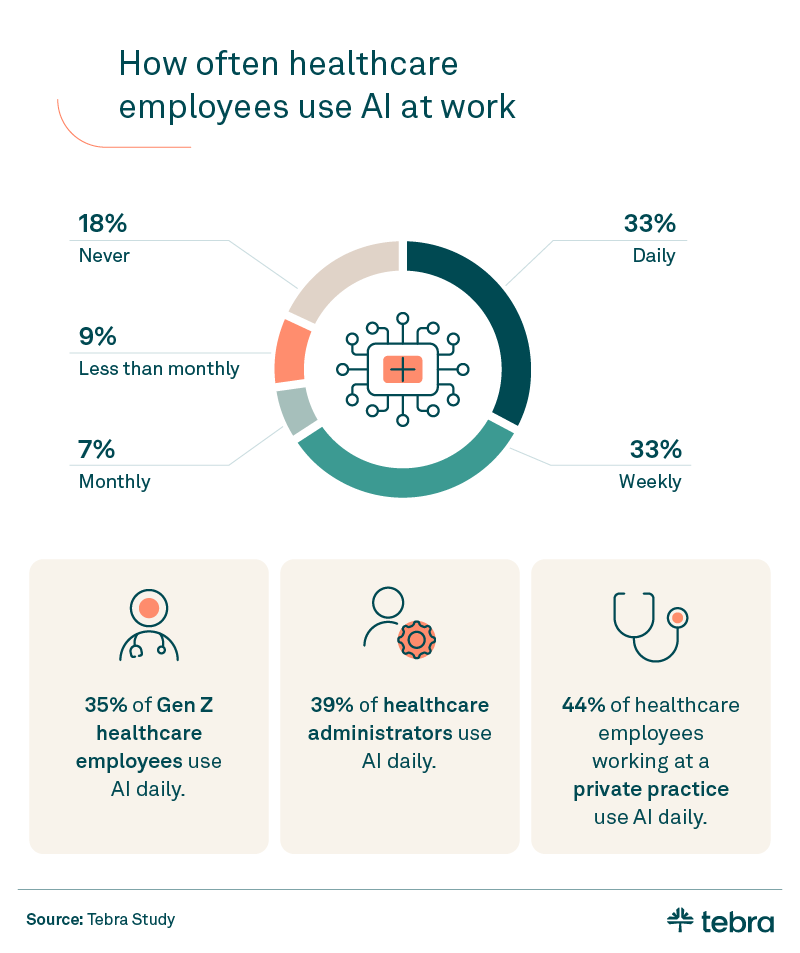
    • The Benefit: A new survey from Tebra reveals that 3 in 5 healthcare employees report ChatGPT has reduced burnout by streamlining documentation and communication. In private practices, 44% of staff now use AI daily.
    • The Dependency: The efficiency comes with a psychological cost. 14% of respondents admit to feeling “emotionally dependent” on AI (checking it impulsively or feeling anxiety without it), and 47% have used it for emotional processing.
    • The Risk: AI is now mission-critical infrastructure. 13% of staff say an AI outage is more stressful than an EHR crash, yet only 27% of organizations have a documented backup plan for when these tools go down.

    The Burnout Antidote

    First, the good news: AI is doing exactly what it promised to do. Three in five (60%) healthcare employees report that tools like ChatGPT have helped reduce burnout. By offloading the “pajama time” tasks—documentation, note-taking, and patient communication—AI has become a vital pressure valve for an overworked industry.

    Adoption is particularly aggressive in the independent sector. 44% of private practice employees use AI daily, compared to 33% of the broader healthcare workforce. For these smaller organizations, AI isn’t just a tool; it’s the extra staff member they couldn’t afford to hire.

    The “Shadow” Support System

    However, the data reveals a complex psychological shift. AI is not just being used to draft emails; it is being used to cope.

    • 14% of employees admit to feeling “emotionally dependent” on AI—defined as checking it impulsively or feeling anxiety without access.
    • 47% have used ChatGPT or similar tools for “emotional processing.”
    • 27% have deleted inputs out of fear of judgment or privacy concerns.

    This suggests that for a significant minority of the workforce, AI has morphed from a productivity software into a digital confidant. While 42% are aware of OpenAI’s new mental health guardrails, less than half believe they go far enough to protect vulnerable users.

    The New Single Point of Failure

    Perhaps the most alarming finding for IT leaders is the fragility of this new workflow. As AI integrates into the daily rhythm, it becomes a single point of failure. 13% of respondents stated that an AI tool outage is more stressful than an Electronic Health Record (EHR) crash. Even more surprising, 12% consider an AI outage more disruptive than a colleague calling out sick. Despite this, preparedness is dangerously low. Only 27% of healthcare employees are aware of a documented backup plan if their AI tools go offline.


    Source link

    Admit Artificial Intelligence BurnoutBut ChatGPT cuts Emotionally function Staff
    Share. Facebook Twitter Pinterest LinkedIn Tumblr Email
    Previous ArticleAre Afternoon Naps Good for Your Brain? Study Offers Clues
    Next Article FDA recalls mislabeled M&M’s sold in Texas over missing allergen warnings
    ekass777x
    Healthradar
    • Website

    Related Posts

    News

    RadNet Subsidiary DeepHealth Acquires French Radiology AI Leader Gleamer

    2. März 2026
    News

    FDA warns insulin infusion set maker Unomedical over leaks, mishandled complaints

    2. März 2026
    News

    Abbott wins FDA approval for updated heart failure monitoring device

    2. März 2026
    Add A Comment
    Leave A Reply Cancel Reply

    Top Posts

    Garmin Venu 4: Everything we know so far about the premium smartwatch

    7. August 202588 Views

    Nanoleaf LED face mask review: fantastic value for money, but only by cutting some corners

    16. Oktober 202565 Views

    The Top 3 Tax Mistakes High-Earning Physicians Make

    7. August 202537 Views

    Dexcom raises sales expectations, discusses G8 plans

    31. Juli 202527 Views
    Stay In Touch
    • Facebook
    • YouTube
    • TikTok
    • WhatsApp
    • Twitter
    • Instagram
    Latest Reviews

    Subscribe to Updates

    Bitte aktiviere JavaScript in deinem Browser, um dieses Formular fertigzustellen.
    Wird geladen
    About Us

    Welcome to HealthRadar.net — your trusted destination for discovering the latest innovations in digital health. We are dedicated to connecting individuals, healthcare professionals, and organizations with cutting-edge tools, applications

    Most Popular

    Garmin Venu 4: Everything we know so far about the premium smartwatch

    7. August 202588 Views

    Nanoleaf LED face mask review: fantastic value for money, but only by cutting some corners

    16. Oktober 202565 Views
    USEFULL LINK
    • About Us
    • Contact Us
    • Disclaimer
    • Privacy Policy
    QUICK LINKS
    • Ai
    • Gadgets
    • Health
    • News
    • About Us
    • Contact Us
    • Disclaimer
    • Privacy Policy
    Copyright© 2025 Healthradar All Rights Reserved.

    Type above and press Enter to search. Press Esc to cancel.