



Get Fit for ’26
This article is part of our Get Fit for ’26 series, in which our writers talk about the wellness and fitness challenges and experiences they’ve taken on, and the tech set to shape the year ahead. You can read all the articles in the series here.
New year, new you – and the same challenge of sticking with your workout goals once the January (or February) buzz wears off. The good news is that in 2026 you don’t have to rely on willpower alone.
Some apps focus on turning your runs or rides into a social game, while others quietly build streaks and routines in the background as you get on with your day. Across all of them, the aim is the same: to make looking after your health feel easier, more rewarding, and just a little bit more fun, keeping you in training once the New Year sparkle has faded away.
What does the science say?
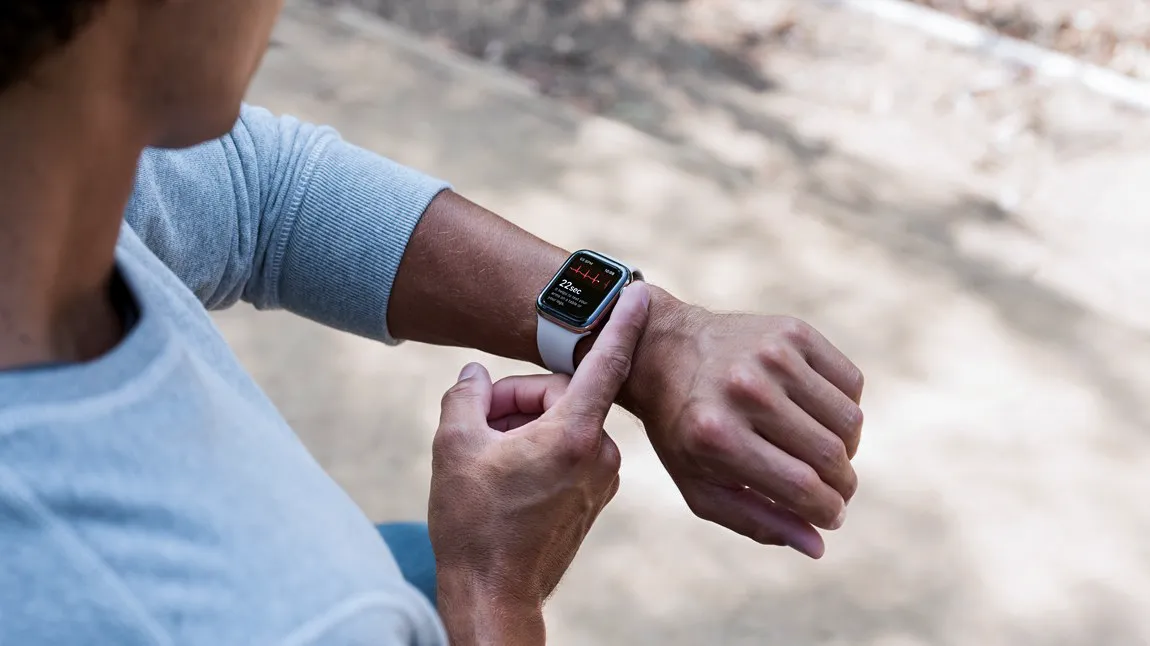
Most fitness apps are built around the same core idea: if you can see what you are doing, get gentle nudges to keep going, and feel rewarded for your effort, you are more likely to stick with it.
Research backs that up; a large 2021 meta-analysis found that people who were given activity trackers or smartphone fitness apps increased their physical activity compared with those who weren’t using the technology.
Under the hood, these tools use a handful of well-tested behavior-change tricks, including self-monitoring, goal-setting, timely prompts, streaks, and social support, but they package them in very different ways.
In this guide, we’ll look at how five popular apps use those ingredients to help you move more in 2026.
1. Strava – social kudos to help you run more
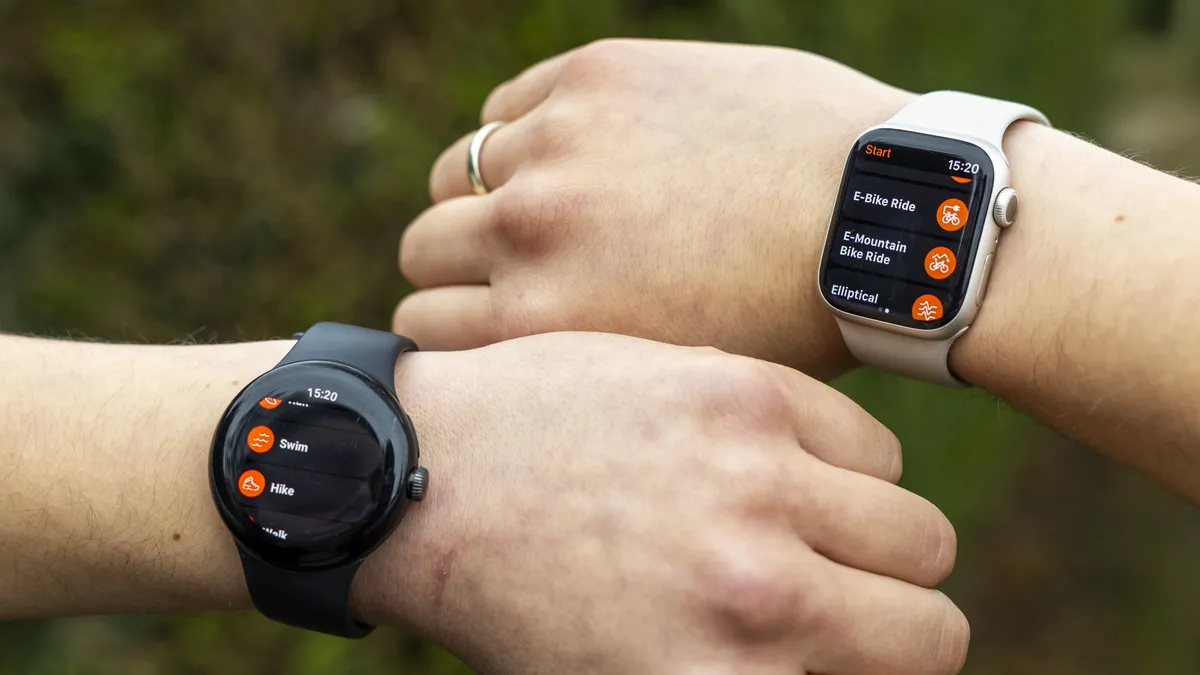
Every run, ride, or hike is logged with GPS maps, pace charts, and – crucially – a stream of kudos and comments from your friends and other app users.
The app leans hard into that community angle: you can join local clubs, chase segments on your regular routes, and jump into monthly challenges that compare your effort with people training on the same roads and trails.
That social network-style layer matters.
When social scientists followed 329 runners from five Dutch clubs on Strava over 11 months, they saw a clear pattern: runners who attracted mor The kudos gradually started running more often, and the behaviour of their most interactive “kudos-friends” rubbed off on them over time.
If you thrive on friendly competition, shared routes, and the sense that someone will notice if you skip a session, Strava’s mix of detailed tracking and low-key peer pressure can be a powerful way to stay consistent in 2026.
2. Runna – personalised coaching
Runna is what you get if you crossed a human running coach with a very organised calendar app.
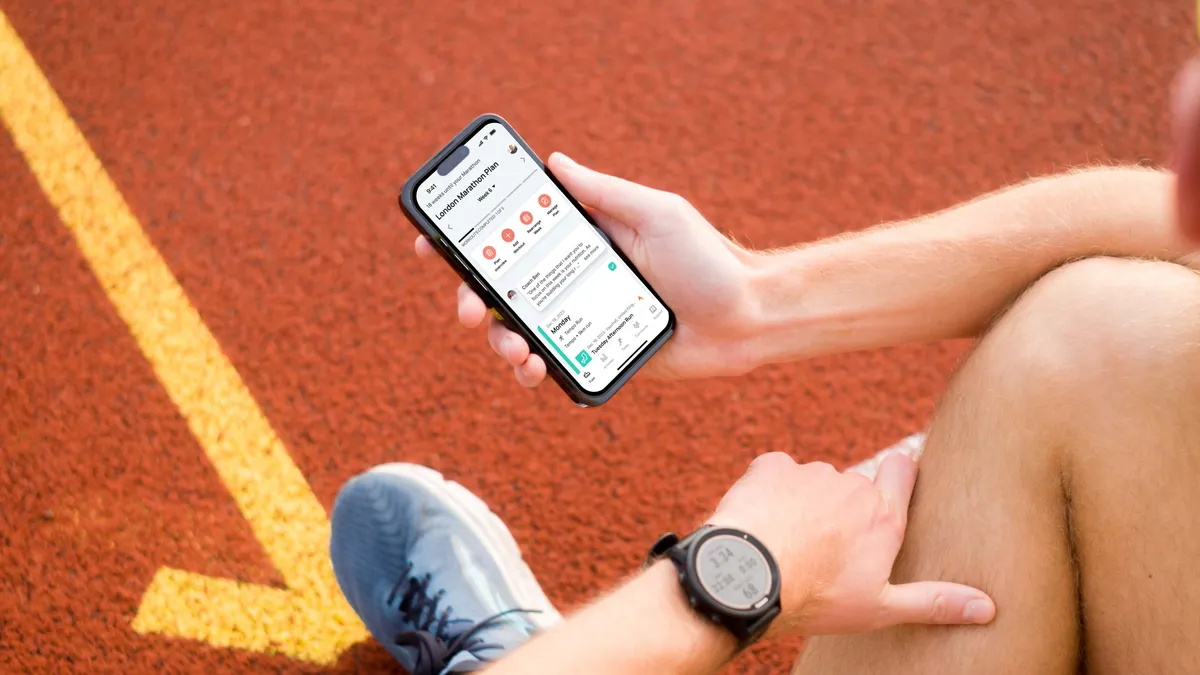
You plug in your goal – from a first 5K to a marathon personal best – plus your current fitness and how many days a week you can realistically train, and it builds a personalised plan that slots into your schedule.
The app adjusts sessions when life gets in the way, adds strength and cross-training where it makes sense, and now, under Strava ownership, even links to a new Races by Runna platform that helps you discover events.
If you like ticking off clear workouts, seeing your progress unfold towards race day, and letting the app worry about the numbers, Runna’s coach-in-your-pocket approach can make it much easier to stay on track in 2026.
3. PUSH – turning strength training into numbers
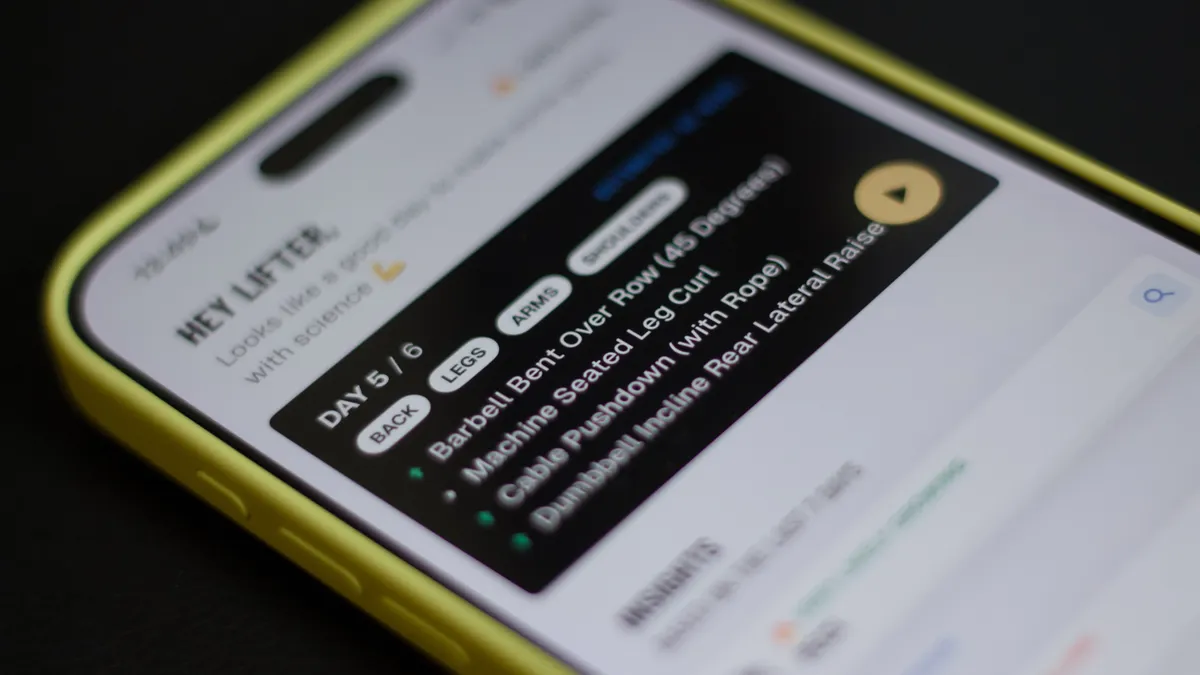
The onboard AI can guide you towards sensible progressions, nudge you to add weight when lifts are consistently moving well, and rein things in when you are clearly flagging. Underneath that friendly UI is a training philosophy built around velocity-based training, where the speed of a lift is used as a stand-in for intensity and fatigue.
Studies on this approach – including research using PUSH-compatible sensors – suggest that tracking bar speed is a reliable way to judge how heavy a set really was, and when you should stop before your form falls apart.
If you are motivated by seeing trends, graphs, and numbers creep in the right direction, PUSH can make it much easier to stay engaged with your gym plan right through 2026.

4. Apple Fitness & Activity rings
Add in Apple Fitness+ classes, sharing your rings with friends, and regular weekly summaries on iPhone, and you get a steady drip of reminders, streaks, and tiny wins that keep your goals in sight rather than buried in a settings menu.
Behind the scenes, Apple has been studying how people actually respond to all this, offering us a perspective from an extremely widely used app.
The Apple Heart and Movement Study – an ongoing collaboration with Brigham and Women’s Hospital – has reported that people who regularly close their rings tend to show better patterns in cardio fitness, sleep, and other health markers than those who rarely do.
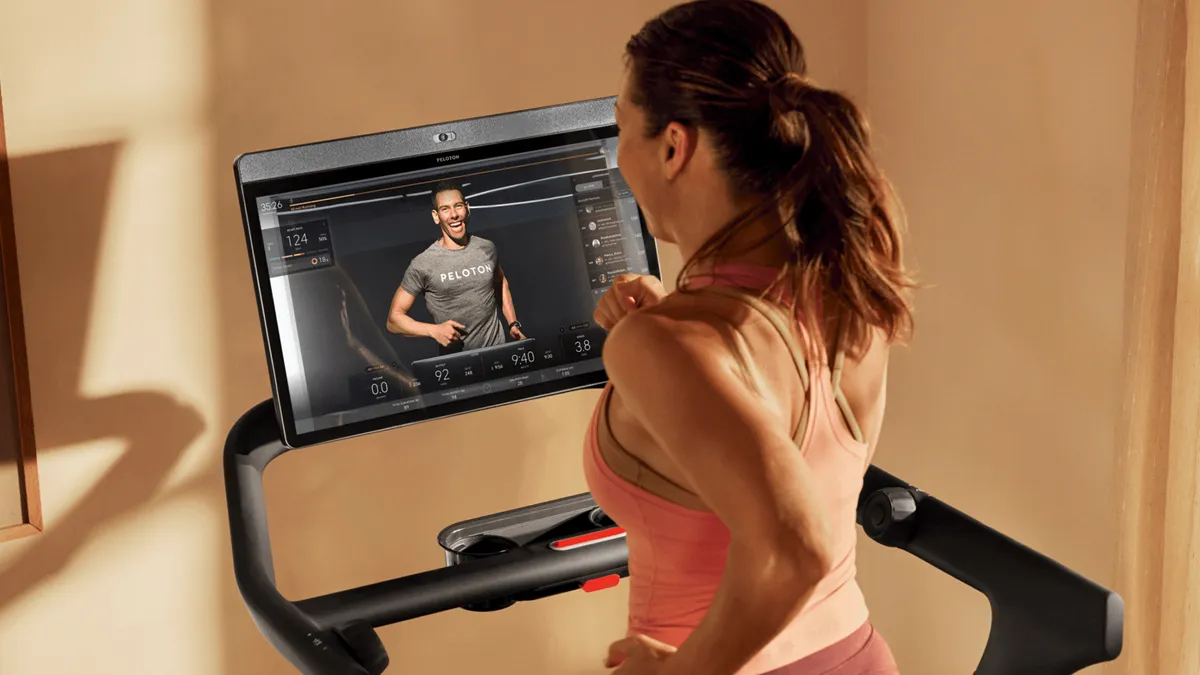
5. Peloton – group-class motivation
You get live and on-demand classes across strength, running, walking, yoga, meditation, rowing, and more, all fronted by instructors who are as much coaches as they are entertainers.
Over the last couple of years Peloton has also leaned into smarter guidance, with structured multi-week programmes, revamped badges, and, more recently, its Peloton IQ system. For you, that means less faffing and more doing.
If you know you respond well to upbeat instructors, a visible timetable, and the gentle pressure of seeing other people in class with you, the Peloton App can turn repeated sessions into a routine.
