


Medical device mergers and acquisitions accelerated in the second half of 2025, propelled by several large deal announcements, according to a report released this month by Bain & Company.
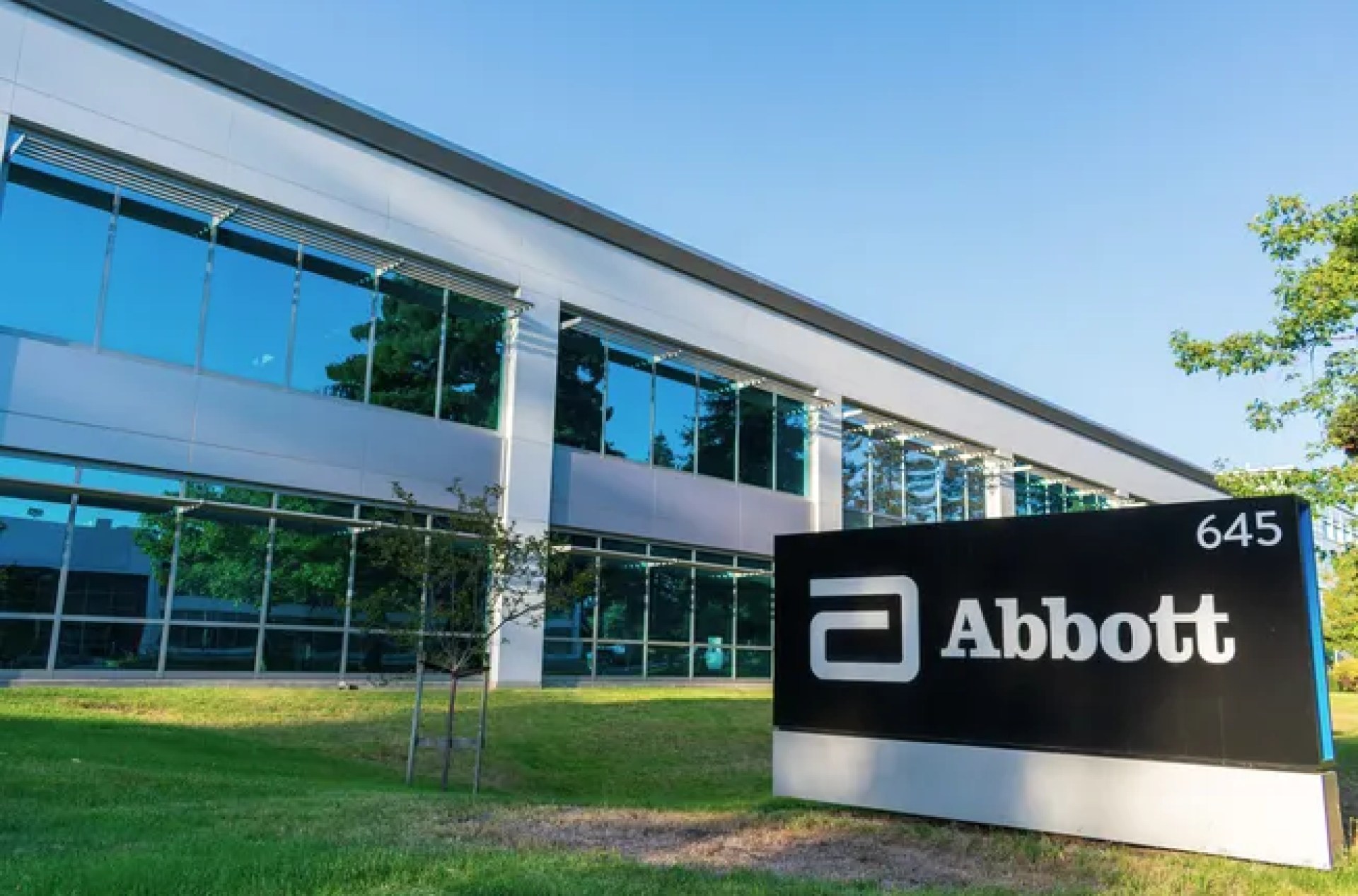
Medtech M&A brought in a total value of about $80 billion through Nov. 30, 2025, surpassing the previous three years. Much of the activity took place in the second half of the year, with large deals announced such as Abbott’s planned $21 billion acquisition of Exact Sciences and Hologic’s $18.3 billion go-private deal.
“The second half of the year was particularly strong, nearly doubling first-half deal value as valuations continued to decline,” the authors of the Bain report wrote. “Robust dealmaking is likely to continue into 2026.”
So far, that has proven true. Earlier this month, Boston Scientific announced plans to acquire Penumbra for $14.5 billion, the company’s second acquisition so far this year after agreeing to buy Valencia Technologies for an undisclosed amount. Other 2026 deals include Smith & Nephew’s proposal to buy Integrity Orthopaedics for up to $450 million and Haemonetics’ planned acquisition of Vivasure Medical.
Spinoffs, divestitures also increased
The trend of companies spinning out or divesting assets continued into 2025. Spinoffs or divestitures accounted for $27 billion, or about a third of total deal value last year, according to Bain.
Notable divestitures include Waters’ agreement to buy BD’s biosciences and diagnostic solutions unit for $17.5 billion, which is expected to close next month, and Thermo Fisher buying Solventum’s purification and filtration unit for $4.1 billion. Johnson & Johnson also announced plans to spin out its orthopedics business, and Medtronic intends to spin out its diabetes segment.
Amid the plethora of spinoffs, the Bain researchers noted that not all divestitures succeed. About half of companies pursuing a separation fail to create shareholder value, and nearly a quarter destroy shareholder value in the process, according to Bain research across industries. Keys to success include having a clear thesis for the separation, minimizing stranded costs, and being able to separate manufacturing, supply chains and quality systems, the researchers added.
