



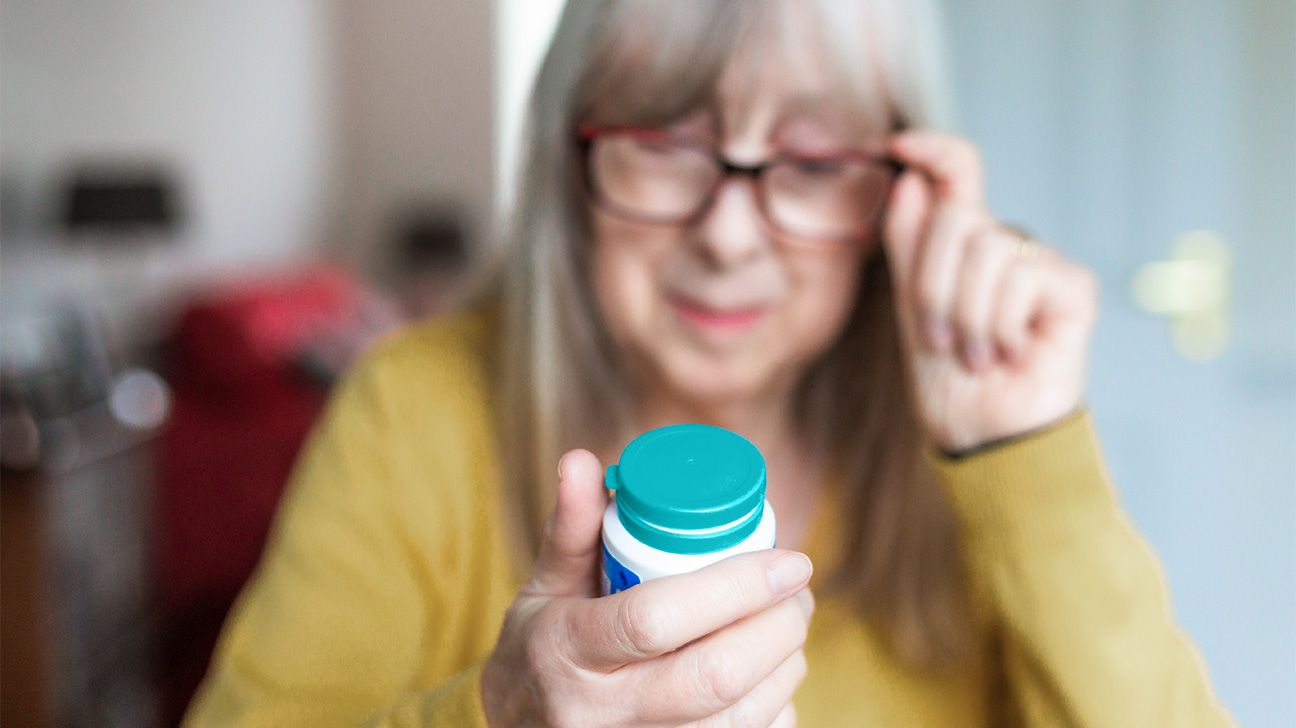
- Researchers say that a daily routine of low dose aspirin does not appear to reduce the risk of cancer in older adults.
- However, the findings suggest that daily aspirin use may increase the risk of cancer-related mortality in older adults.
- Experts say older adults can lower their risk of cancer by eating a plant-based diet, abstaining from tobacco use, and limit their intake of alcohol.
In a new study, researchers say aspirin should not be given to older adults as a cancer prevention strategy.
They say that the results of their research indicate that a daily routine of low dose aspirin actually increased the risk of cancer-related mortality among adults 65 years and older during a 10-year study period.
They added that the daily aspirin regimen did not impact the overall risk of cancer incidence.
“Results of this study suggest that initiating a multi-year aspirin strategy for prevention of cancer is not recommended in older adults,” the researchers wrote.
The researchers suggested that longer-term studies be done to examine the “legacy” effects on cancer prevention in people over the age of 65.
Katherine Van Loon, MD, a specialist in gastrointestinal cancers at the University of California San Francisco, wasn’t involved in the study but said it presents some interesting questions.
“This is contradictory to data previously reported in younger groups, which suggests there may be some biological factor related to age that results in a differential effect of aspirin,” she told Healthline. “Further study is warranted to further understand this.”
The researchers said they launched their study due to the fact that almost two-thirds of cancer diagnoses worldwide happen in people age 60 and older. More than 70% of cancer deaths are attributable to this age group.
In the United States, the
To examine the effectiveness of aspirin on cancer risk, the researchers used data from the Aspirin in Reducing Events in the Elderly (ASPREE) randomized clinical trial conducted from 2010 to 2017 where daily low dose aspirin routines were prescribed for a median of 4.7 years.
The researchers then added a follow-up study period for those participants from 2018 to 2024. They analyzed the data from May 2025 to November 2025.
In all, researchers examined data from more than 19,000 individuals from Australia and the United States. The Australian participants were at least 70 years old while the U.S. subjects were at least 65 years and consisted of Black and Latino individuals.
Overall, the median age of the Australian and U.S. participants was 75 years. About 56% of the subjects studied were female.
The participants were given either a 100 milligrams (mg) aspirin or a placebo on a daily basis.
None of the participants were diagnosed with cardiovascular disease, dementia, or independence-limiting physical disability during the median follow-up period of 8.6 years.
During the follow-up time period, researchers reported a total of 3,448 cancer incidences and 1,173 cancer deaths among study participants.
The researchers reported that during the extended follow-up period, low dose aspirin “was not associated with incident cancer among older adults but cancer mortality risk was significantly elevated.”
However, they noted that “the elevated cancer mortality risk seen with aspirin for participants in the [random control trial] period did not persist into the RCT post-observation period, suggesting no legacy effect.”
Nonetheless, the researchers still concluded that a low dose aspirin routine was not effective as a cancer prevention tool in older adults.
Van Loon said there are a number of takeaways from this most recent study.
“I think patients will need an individualized assessment of risks and benefits of aspirin use,” she said.
“Only patients without cardiovascular disease were included in this study, so we can really only extrapolate this to patients who are not otherwise being recommended to receive aspirin for a cardiovascular condition.”
“Age of aspirin initiation also seems to play a role and younger patients may benefit more,” she added. “For now, I think we can say that we shouldn’t initiate aspirin therapy in an older adult for the sole purpose of cancer prevention.”
“I would advise that if a patient’s dominant life-limiting medical comorbidity is cardiovascular disease and his/her physicians are recommending aspirin use to modify that risk, I would heed that advice,” Van Loon noted.
Rigved Tadwalkar, MD, a consultative cardiologist and medical director of the Cardiac Rehabilitation Center at Providence Saint John’s Health Center in Santa Monica, CA, said the American College of Cardiology and the American Heart Association (AHA) advise against the routine use of aspirin as primary prevention in older adults without a history of cardiovascular disease. Tadwalkar wasn’t involved in the study.
However, he said there are exceptions, including those at risk of developing
“As a cardiologist, my recommendations for aspirin use depend entirely on the individual patient’s situation. There is no blanket approach,” Tadwalkar told Healthline.
“The key point is that daily aspirin for heart health is no longer a straightforward decision,” he added. “It is definitely recommended for most who have already had a cardiovascular event like a heart attack. However, for people without that history, it gets more nuanced.”
To that end, most people should only take aspirin if it’s recommended by their doctor, even after a heart attack.
The issue of whether a daily routine of low dose aspirin is beneficial has been researched and debated for years.
The American Cancer Society (ACS)
However, the organizations cautions that daily aspirin use can increase the risk of bleeding as well as cause inflammation in the stomach and small intestine.
A 2024 study concluded that daily low dose aspirin does not affect the incidence or progression of age-related macular degeneration.
In 2020, doctors at the University of Texas (UT) Health Science Center in Houston advised pregnant people to take low dose aspirin to help reduce the risk of preeclampsia, although they noted that there was an increased risk of bleeding. The recommendation, however is only for those at risk for developing this pregnancy complication.
There are indications that higher doses of aspirin can help relieve migraine pain.
In 2022, the U.S. Preventive Services Task Force updated its recommendations on aspirin use, stating that the agency was “against initiating low dose aspirin use for the primary prevention of [cardiovascular disease] in adults 60 years or older.”
The recommendations note that daily aspirin use for people ages 40 to 59 as a primary preventive tool against cardiovascular disease should be an individual choice.
“Evidence indicates that the net benefit of aspirin use in this group is small,” the task force wrote. “Persons who are not at increased risk for bleeding and are willing to take low dose aspirin daily are more likely to benefit.”
The National Council on Aging (NCOA) states that there are a number of ways older adults can reduce their risk of cancer.
One of the primary measures is staying up-to-date on cancer screenings. They note that early detection can result in “less extensive treatment, more treatment options, and better chances of survival.”
They also urge older adults to:
- abstain from tobacco use
- limit alcohol use
- eat a plant-based diet
- maintain a healthy weight
- apply sunscreen while outside
The organization also notes it’s important to know your family’s history of cancer.
Van Loon agreed with NCOA’s advice.
