



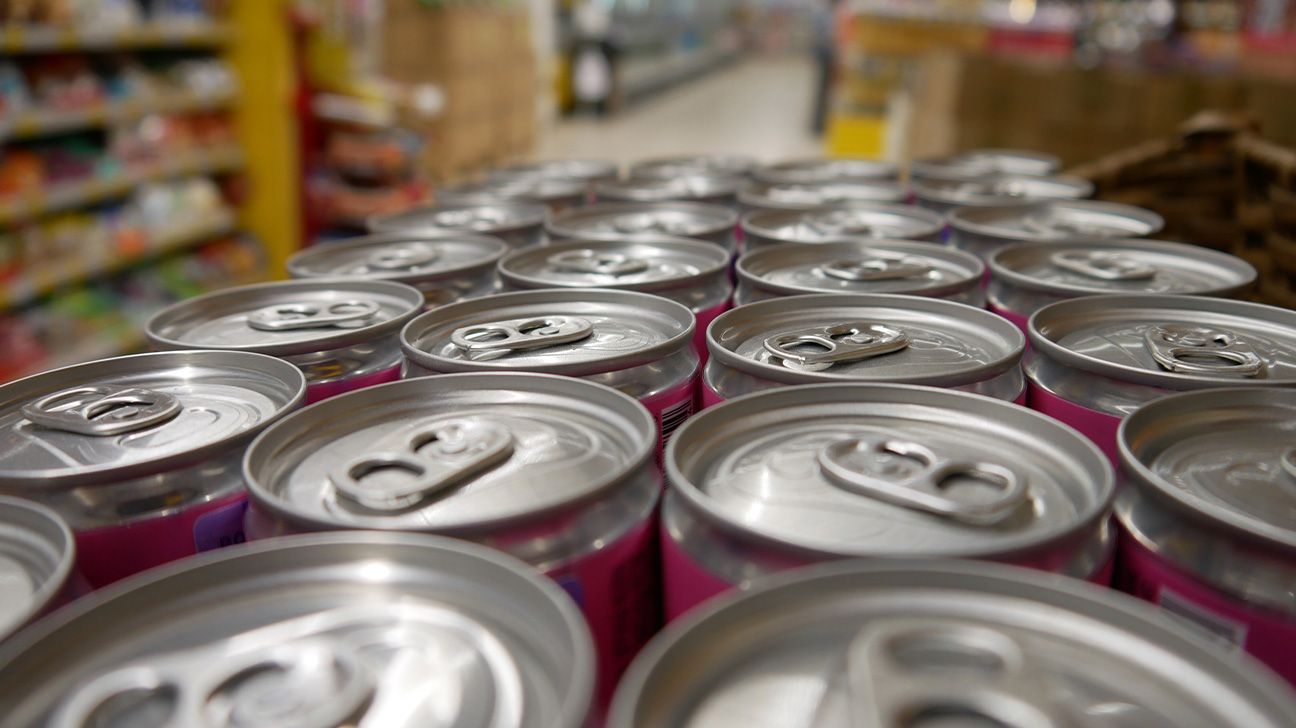
- Consumption of beverages high in sugar is associated with symptoms of anxiety in young people.
- High intake of sugary drinks is associated with a 34% increased risk of anxiety in adolescents.
- Experts say the spikes and crashes of blood sugar levels due to high sugar content in these beverages could contribute to anxiety.
Excess sugar intake is associated with numerous chronic health conditions, from obesity to diabetes and heart disease.
Now, consumption of sugary drinks has been linked to symptoms of anxiety in young people.
Researchers from Bournemouth University found that a high intake of sugar-sweetened beverages was linked to a 34% increased risk of anxiety among adolescents.
To explore the association between sugar-sweetened beverages and anxiety in young people, the researchers conducted a systematic review and meta-analysis of nine studies. Seven of the studies identified a “significant” positive association between the consumption of sugar-sweetened beverages and anxiety.
The research is the first systematic review to link the consumption of sugar-sweetened beverages to anxiety in adolescents. The findings were published on February 10 in the
Study co-author Chloe Casey, PhD, a lecturer in Nutrition at Bournemouth University, said in a press statement that most public health initiatives have focused on the physical consequences of poor dietary habits.
She noted that the mental health implications of diet, particularly for energy-dense but nutrient-poor sugary drinks, are largely underexplored.
“Whilst we may not be able to confirm at this stage what the direct cause is, this study has identified an unhealthy connection between consumption of sugary drinks and anxiety disorders in young people,” Casey said.
“Anxiety disorders in adolescence have risen sharply in recent years, so it is important to identify lifestyle habits which can be changed to reduce the risk of this trend continuing,” she continued.
Frequent consumption of these drinks is associated with:
The Centers for Disease Control and Prevention (CDC) suggests more than
Whitney Linsenmeyer, PhD, a registered dietitian and spokesperson for the Academy of Nutrition and Dietetics, wasn’t involved in the new study, but said the findings were unsurprising.
“Sugar-sweetened beverages are linked to a variety of poor physical and mental health outcomes,” she told Healthline.
“Sugar-sweetened beverages are broadly considered to be an ’empty calorie food,’ meaning they provide calories, but little to no nutritional value. The sugars are rapidly digested and absorbed, leading to spikes and drops in blood sugar levels, which is further implicated in poor health outcomes.”
Sugar-sweetened beverages often include soda, but Linsenmeyer said there are many other beverage choices that can also be high in sugar.
“Many beverages fall into the category of ‘sugar-sweetened beverages,’ including energy drinks, flavored milks, coffee drinks, sweetened iced tea, and lemonade,” she said.
“These can have just as much, if not more, added sugar when compared to a soda. For example, a 12-oz can of a common soda brand provides 39 grams of added sugar, while the same size can of a common energy drink provides 41 grams of added sugar.”
The Bournemouth study is the latest in a growing body of
“This is [a] burgeoning field of research, and we are learning much about the effects of dietary intake and mental health. Much of what we eat can affect hormone levels, including serotonin and dopamine, and therefore affect mental health,” Dana Hunnes, PhD, a senior dietician at UCLA Health, told Healthline. Hunnes wasn’t involved in the study.
Anxiety can be influenced by changes to blood sugar levels, which experts say can be made worse by consuming sugary drinks.
“Our mental health and food are so intertwined. While we often focus on physical issues like obesity, what we eat is massively influential on our mood and cognitive function,” Daniel Ganjian, MD, board certified pediatrician at Providence Saint John’s Health Center in Santa Monica, CA, told Healthline. Ganjian wasn’t involved in the study.
“Specifically for anxiety, the spikes and crashes from sugar can definitely make feelings of jitters or nervousness feel much worse,” he said.
The Bournemouth University study identified an association between intake of sugar sweetened beverages and anxiety in young people. But experts note this does not prove sugary drinks cause anxiety in young people, and other factors could be contributing.
Linsenmeyer posited that it may not be the sugar-sweetened beverage intake alone that correlates with anxiety symptoms, but rather, the compounding effect of these drinks, plus the omission of healthier beverages in a person’s diet.
“An association signals a potential link, not proof of cause. High sugary drink intake may be part of a broader lifestyle pattern that includes poor sleep, low diet quality, or higher stress; all of which can influence anxiety risk. Either way sugary drinks are not a healthy option,” said Wesley McWhorter, a registered dietitian nutritionist and spokesperson for the Academy of Nutrition and Dietetics. McWhorter wasn’t involved in the study.
“A pattern of highly processed, high-sugar intake may worsen instability, while balanced meals with protein, fiber, and healthy fats can support steadier energy and mood. Diet alone isn’t treatment, but it can support resilience [and] mood.”
The study authors note that reducing intake of sugar-sweetened beverages may help combat the rising rates of anxiety in young people.
To do this, Hunnes noted the importance of choosing appropriate alternatives.
“Less sugar is always better; that doesn’t mean that ‘sugar-free’ alternatives are better. Ideally, sparkling water with a splash of real fruit juice would be better,” she said.
Linsenmeyer argued that sugar-sweetened beverages should be regarded as a “dessert.”
“Something you have once in a while on a special occasion, but not something you drink every day, and certainly not something you rely on to meet your hydration needs,” she said.
“Alternatives include flavored sparkling waters, herbal teas, or milk without added sugars. Teens may enjoy creating their own water infusions with freshly cut fruit such as oranges, lemons, limes, or strawberries.”
