



Pharmacovigilance is changing quietly but fundamentally. You can feel it in the way adverse event reports move faster through systems, in how signals surface earlier, and in how dashboards now carry insights that once took weeks of manual review. Machine learning, natural language processing, and automation have become trusted partners in drug safety operations, handling volumes of data no human team could reasonably manage alone. Yet as these systems take on more responsibility, the role of human oversight becomes more important, not less. Drug safety sits at the intersection of science, ethics, and accountability, and that intersection still requires a human presence.
Where Automation Helps and Where It Stops Short
In many organizations, automation now handles the first touch. Incoming safety reports are ingested, categorized, and prioritized with remarkable speed. Algorithms scan structured and unstructured data, flagging patterns that might indicate emerging risk. You see efficiency gains almost immediately. Backlogs shrink. Review cycles tighten. Teams can focus on the cases that matter most.
There is often a moment early in this transition when the promise of automation feels almost complete. A system flags a trend, a dashboard lights up, and it appears as though safety oversight could become largely self-directing. This is usually where experience steps in. You recognize that while the system can detect change, it cannot fully understand why that change matters. A spike in reports may reflect a shift in reporting behavior rather than a true safety issue. A rare but serious case may sit quietly in the data, statistically insignificant yet clinically critical. This is where human judgment reasserts its value, not as a correction of failure, but as a necessary complement to speed and scale.
This is also where personal experience often reshapes perspective. Algorithm bias may occur because of design or historical data training, which in turn produce skewed or incomplete outcomes resulting in deprioritized or misclassified safety information. This is a natural place to introduce a real example from practice, perhaps a moment when an automated signal prompted deeper clinical review, or when human intuition caught something technology initially missed. These stories bring the balance between automation and oversight into focus and remind readers that drug safety decisions carry real consequences.
Ethics, Bias, and the Human Responsibility to Question
Every automated system reflects the data it was trained on. In pharmacovigilance, that data is shaped by reporting habits, access to care, geographic variation, and human behavior. Underreporting is uneven. Certain populations are represented more heavily than others. When algorithms learn from this landscape, they inherit its imperfections. Without human oversight, these biases can quietly influence which signals rise to the surface and which remain unseen.
You often encounter this when reviewing outputs that seem technically correct but clinically incomplete. An algorithm may consistently prioritize common events, while rare but severe outcomes receive less attention. It is not malicious; it is mathematical. Ethics enter the picture when you decide whether to accept those outputs as final or to challenge them. Human oversight provides the moral checkpoint, the moment where you ask whether efficiency aligns with responsibility.
In Pharmacovigilance, ethics is ultimately expressed through human courage to question decisions made in the name of efficiency, automation or certainty.
Redefining the Role of the Drug Safety Professional
As automation matures, your role evolves. You spend less time moving data and more time interpreting it. You shift from executor to overseer, from processor to decision maker. This transition can feel uncomfortable at first, especially for professionals trained in detailed manual review. Over time, it becomes clear that human expertise has not been replaced; it has been elevated.
You are now responsible for understanding how systems work, where they are strong, and where they are vulnerable. You define escalation pathways. You participate in governance discussions. You help ensure that regulatory expectations are met not just technically, but transparently. When regulators ask how a decision was made, the answer cannot be that the system decided. It must be that trained professionals reviewed, understood, and stood behind the outcome.
In an automated world, drug safety still depends on human values. Technology can surface information faster than ever before, but it cannot weigh risk with compassion, interpret ambiguity with care, or accept accountability on behalf of patients. By maintaining strong human oversight, you ensure that innovation serves its true purpose. Protecting people, preserving trust, and making decisions that honor both science and ethics.
About Vikalp Khare
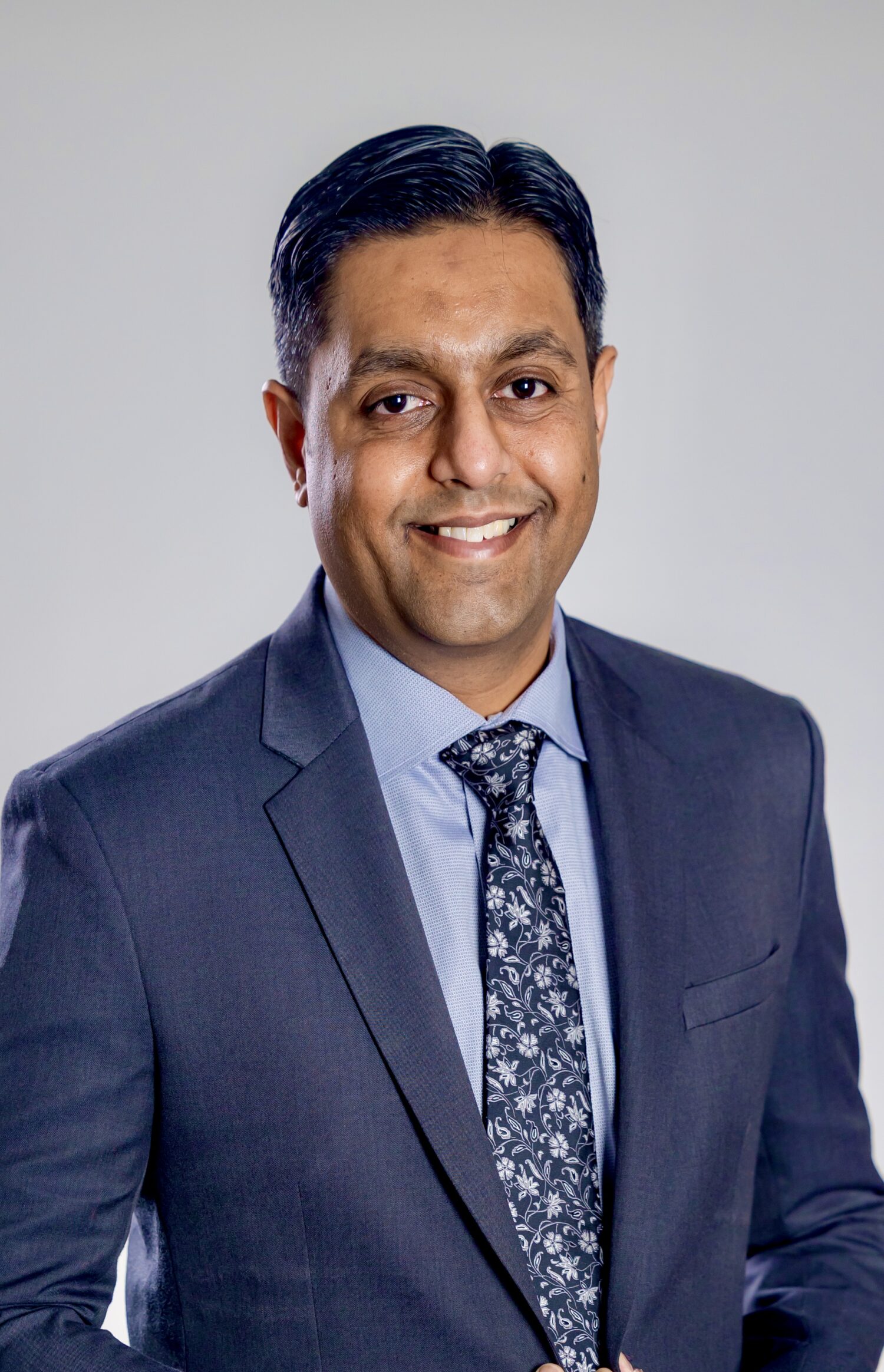
Vikalp Khare is the Director and Head of US GPV (Global Pharmacovigilance) Safety Data Management at Otsuka Pharmaceutical Companies (U.S.). With deep expertise in setting up Global Safety Data Operations, data migration, and analytics, he drives the integration of advanced IT solutions to enhance patient safety and regulatory compliance. His work bridges technology and pharmacovigilance to create intelligent, scalable safety systems for the pharmaceutical industry.
