



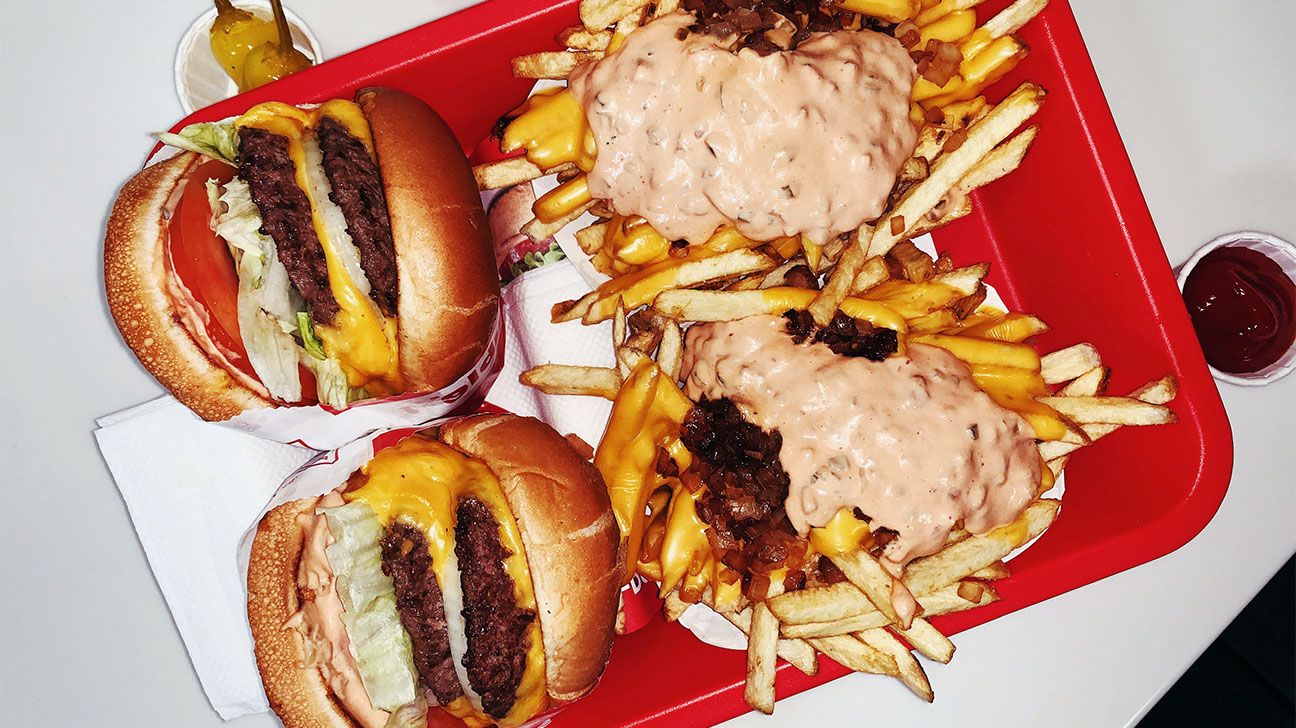
- A recent review found that ultraprocessed foods (UPFs) may be as addictive as tobacco products.
- The researchers found that UPFs are designed to heighten reward and accelerate the delivery of reinforcing ingredients.
- The “addictive” quality of these foods means they drive compulsive consumption and disrupt appetite regulation.
- The review authors suggest that ultraprocessed foods should be subject to regulations similar to those for tobacco products.
Currently, there is no single universal definition of ultraprocessed foods. Some people define them as foods that contain ingredients you would not find in your kitchen cupboards, such as emulsifiers and additives.
Many professionals use the NOVA classification to define ultraprocessed foods. This talks about foods that contain “formulations of ingredients, mostly of exclusive industrial use, typically created by a series of industrial techniques and processes.”
“I agree with this study, as ultra-processed foods are specifically engineered to be highly appealing to most individuals,” Mir Ali, MD, bariatric surgeon and medical director of MemorialCare Surgical Weight Loss Center at Orange Coast Medical Center in Fountain Valley, CA, who was not involved in the research, told Healthline.
“Cigarettes and UPFs [ultraprocessed foods] are not simply natural products but highly engineered delivery systems designed specifically to maximize biological and psychological reinforcement and habitual overuse,” noted the new study’s research team from Harvard, Duke, and the University of Michigan.
The review synthesized findings from addiction, public health history, and nutrition in order to identify sensory and structural features that increase the reinforcing potential of both cigarettes and ultraprocessed foods.
“Not everyone is ‘addicted’ to these foods, but for a meaningful minority, they trigger classic addiction-like patterns: strong cravings, loss of control, and continued use despite negative health effects,” said Michelle Routhenstein, preventive cardiology dietitian at EntirelyNourished, who was not involved in the study.
“These foods are deliberately engineered with refined carbs, added fats, salt, and flavor enhancers to maximize reward and repeat consumption, and the industry uses aggressive marketing tactics, especially targeting children,” she told Healthline.
The researchers focused on five key areas:
- delivery speed
- hedonic engineering, or designing foods to be irresistibly good
- dose optimization
- environmental ubiquity
- deceptive reformulation, or “health washing”
They found that, like cigarettes, ultraprocessed foods are fine-tuned to deliver the right dose of sugar.
“Refined carbohydrates stimulate dopamine release via the vagus nerve, whereas fats do so through intestinal lipid sensing,” the researchers wrote.
“… UPFs with high levels of refined carbohydrates and added fats are some of the most potently rewarding substances in the modern diet. Notably, this refined carbohydrate-fat combination is almost nonexistent in nature.”
The way these foods rapidly deliver “feel-good” chemicals to the brain makes them potentially addictive, similarly to cigarettes.
The review noted that while cigarettes are engineered to deliver nicotine quickly, ultraprocessed foods are engineered to rapidly digest and absorb, as they typically have little to no fiber. This makes it easier for the body to process fat and sugar more quickly.
The researchers also explain that ultraprocessed foods give intentional flavor bursts that fade quickly and textures that melt in your mouth. This all helps to deliver more dopamine and encourages you to eat more.
According to the review, both the tobacco and food industries have long used a strategy called “health washing.”
This is where products are marketed and reformulated to create an illusion of reduced harm while preserving the core of their addictive properties.
Health washing in the tobacco industry gained traction in the 1950s with the introduction of filters on cigarettes.
These were marketed as protective innovations that would trap tar and particles before they reached the lungs. In reality, filters offer little meaningful benefit.
However, people typically adapted by inhaling deeper or smoking more frequently, which offset any reduction in toxin exposure.
The food industry has taken a similar approach. It uses labels like “low fat” or “sugar-free” to market ultraprocessed foods.
However, these foods still contain the same highly reinforcing ingredient combinations. The issue is that these reformulations offer a superficial appearance of health while the product’s addictive structure and metabolic harms remain intact.
The researchers noted at the end of their paper that food and tobacco are not the same thing.
Still, they cautioned that certain ultraprocessed foods function like highly optimized consumables rather than actual food. They recommended that public health policy should reflect this reality.
“Tobacco provides a warning, and tobacco control provides a source of hope,” the researchers wrote.
Due to regulations, smoking rates in the United States have fallen and have “reshaped cultural views of tobacco and eroded trust in the industry.”
“I believe increased education regarding the negative impact of ultra-processed foods is essential to reduce general consumption and improve public health. The strategies used to reduce cigarette consumption have been effective and may be a helpful model for ultra-processed foods as well,” said Ali.
“I don’t think UPFs [ultraprocessed foods] should be regulated exactly like cigarettes, but they do warrant stronger, tobacco-inspired policies: marketing restrictions, clear front-of-package labeling, tighter standards on health claims, and limits in schools or hospitals,” added Routhenstein.
The researchers reminded people that minimally processed and unprocessed foods have sustained human health for millennia.
“Legal action against health damages and misleading health claims, restrictions on UPF advertising, taxation of nutrient-poor UPFs, markedly reducing UPFs in schools and hospitals, and clearer labeling of ultraprocessing could all serve as next steps,” they noted.
“Policies that confront UPFs with the same seriousness that once applied to tobacco, while actively promoting real food, offer the most promising path out of the current crisis.”
Routhenstein agreed and told Healthline that public policy should expand access to fresh, minimally processed foods. This is especially true in lower-income neighborhoods, she explained. Access could be expanded through subsidies, support for local markets and grocery stores, and school or workplace programs.
“Making real food affordable and convenient reduces reliance on UPFs and addresses structural barriers that drive unhealthy eating patterns,” Routhenstein said.
