



When hospital administrators started talking about “AI-powered solutions” for perioperative care a few years ago, I was deeply skeptical. I’d watched too many technology promises fail to deliver. EHR modules that were supposed to streamline workflows but actually made them more cumbersome. “Intelligent” scheduling systems that didn’t account for clinical realities. Patient portals that patients didn’t use.
The problem wasn’t the technology, it was that most solutions were designed by people who’d never worked inside a hospital, let alone an operating room. They didn’t understand the difference between what looks good in a demo and what actually works when you’re managing 40 patients a day with an understaffed clinic.
But something shifted for me in 2023 when I started learning about modern machine learning and generative AI. Not because the technology was impressive (though it was), but because I finally saw how it could address the actual problems we face and not the problems vendors think we have.
I realized: The technology to fix perioperative care coordination already exists. The question isn’t “can AI help?” It’s “why are we still accepting systems that don’t?”
What Actually Works (And Why Most Solutions Don’t)
After spending the last year deeply embedded in both clinical practice and the technology side of perioperative care, I’ve learned what separates solutions that transform workflows from ones that just add to the noise.
The winning solutions do three things:
First, they automate the tedious, not the critical. Good AI handles document retrieval, chart summarization, patient outreach, and appointment scheduling (the tasks that eat up 60% of a PAT nurse’s day but require zero clinical judgment). This frees clinicians to focus on what actually matters: evaluating risk, educating patients, and making clinical decisions. Bad AI tries to replace clinical judgment itself, which is why clinicians reject it.
Second, they integrate seamlessly with existing workflows. I don’t mean “technically integrates with your EHR.” I mean it fits into how clinicians actually work. If your solution requires me to open another application, log into another system, or learn a new interface, I won’t use it. The best tools I’ve seen operate invisibly: They pull information from wherever it lives, synthesize it, and present it where I’m already working. No workarounds required.
Third, they were designed with clinicians, not for them. This is the difference between solutions that get adopted and ones that get ignored. When anesthesiologists, surgeons, and PAT nurses are involved from day one (not just as beta testers, but as co-designers), you end up with tools that solve real problems in ways that actually fit clinical practice.
The Implementation Challenge Nobody Wants to Talk About
Let’s be honest: Even when hospitals invest in better perioperative technology, implementation often fails. I’ve watched it happen. And it usually fails for predictable reasons:
Leadership picks solutions in a vacuum. Someone in IT or the C-suite evaluates vendors, checks boxes on a feature list, and signs a contract. The clinicians who’ll actually use the system find out after the decision is made. Unsurprisingly, adoption is poor.
Nobody accounts for change management. Implementing new technology in healthcare isn’t just a technical challenge; it’s a behavioral one. If you don’t give staff adequate training, support, and time to adapt, they’ll revert to old workflows. The fancy new AI system becomes shelfware.
Solutions get deployed without clear success metrics. How will you know if it’s working? “Provider satisfaction” is too vague. Better metrics: Time from surgery scheduling to completed PAT assessment. Percentage of patients optimized >2 weeks before surgery. Day-of-surgery cancellation rates for specific reasons. If you’re not measuring these, you can’t improve them.
Integration is harder than vendors admit. That API that’s supposed to connect seamlessly to your EHR? It might work technically but still create workflow friction. Real integration means clinical staff don’t notice the seams.
What Hospital Leaders Need to Hear from Clinicians
We need to stop delegating technology decisions to people who don’t use the technology.
I’m not saying administrators shouldn’t be involved; of course, they should. But when hospitals choose perioperative care solutions without meaningful input from anesthesiologists, surgeons, and PAT nurses, they waste money on tools that don’t get used.
The most successful implementations I’ve seen follow a different model: Clinical leaders identify the specific problems (not “we need better efficiency” but “our PAT nurses spend 45 minutes per patient chasing outside records”). They evaluate solutions alongside the people who’ll use them daily. They pilot in a limited setting with clear metrics. They iterate based on real feedback. Only then do they scale.
This isn’t just about buying better software. It’s about rethinking how we approach operational excellence in perioperative care.
Moving Forward
The future of perioperative care isn’t about implementing AI for AI’s sake. It’s about finally building systems that work the way healthcare should: streamlined, efficient, and focused on patients rather than workarounds.
The technology exists today to automate the chaos, surface the right information at the right time, and free clinicians to practice at the top of their license. Some health systems are already doing this, driving down cancellations, improving outcomes, reducing staff burnout, and protecting surgical revenue.
But transformation requires more than buying technology. It requires listening to the clinicians who live in these broken workflows every day. It requires a willingness to challenge “good enough.” And it requires recognizing that perioperative care coordination isn’t just an operational challenge, it’s a patient safety imperative.
The time to fix this is now.
About Andrew Fisher, MD
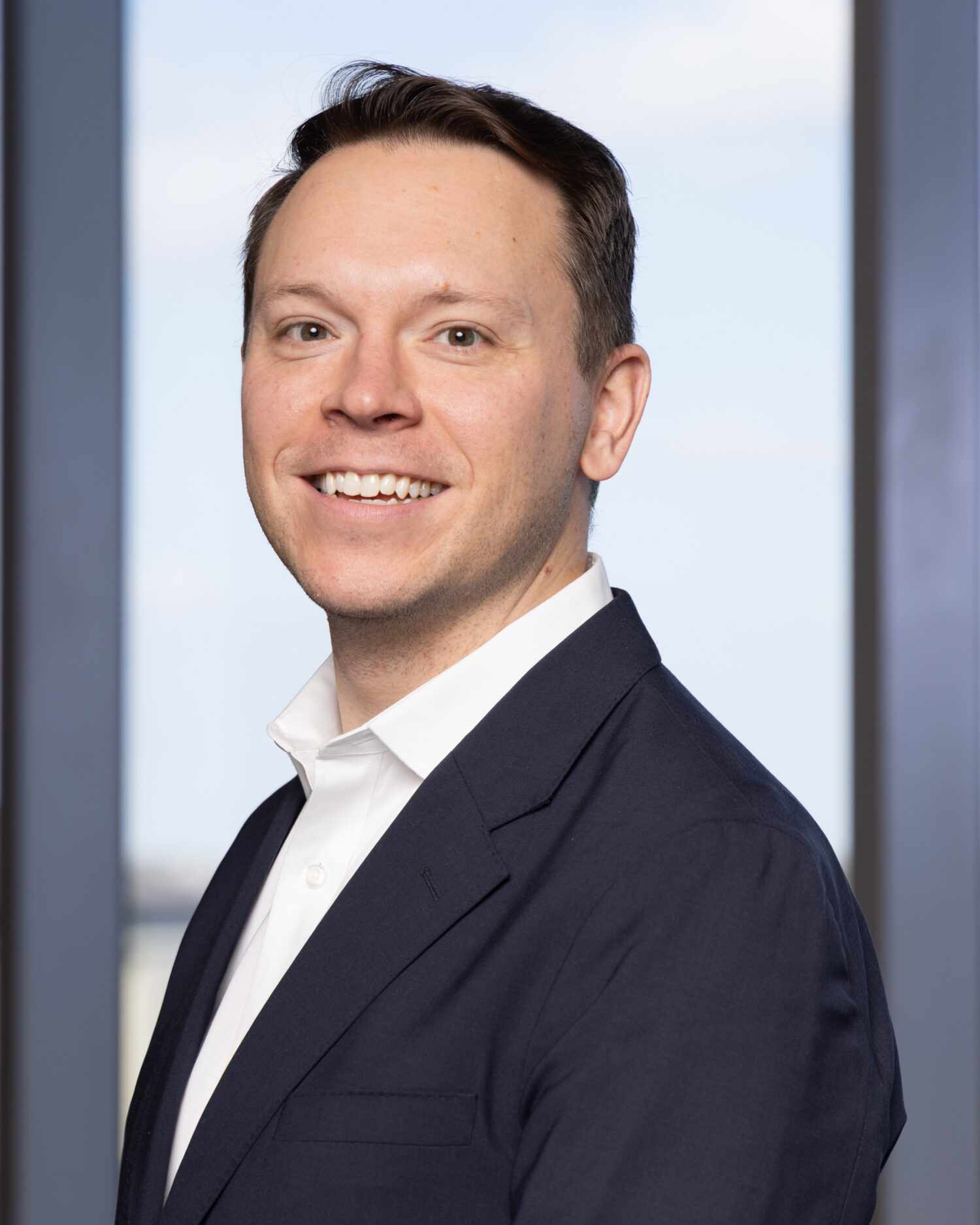
Andrew Fisher, MD, is Co-Medical Director for Perioperative Care Coordination at Qventus and Assistant Professor of Anesthesiology at the Medical University of South Carolina, where he practices clinical anesthesiology.
