



If you ask most people to define healthcare, they’ll likely describe what happens after someone becomes sick and begins receiving care. But could healthcare begin before illness ever showed up? Rather than waiting for patients to experience symptoms, what if care started with prevention, earlier stage detection, and access to critical diagnostic tools?
Screening healthy people for a range of diseases makes early detection and intervention possible. Depending on the disease, those diagnosed before symptoms arise could potentially slow or even avoid onset. Finding diseases, like cancer, at earlier stages increases a patient’s treatment options and the likelihood of survival. By expanding screening for a range of diseases, more people would have the chance to stay healthy longer—and this shift has the potential to significantly transform population health.
Why imaging and screening are the future of population health
Radiology plays a central role in early detection, often serving as the first step toward diagnosis and treatment. That’s why imaging is key to the shift from reactive to proactive care. Early disease detection is foundational to advancing population health.
There are huge benefits to screening higher volumes of healthy people for the earliest signs of disease, when onset can still be avoided, slowed or more effectively treated. Identifying diseases like cancer or neurodegenerative conditions before symptoms emerge can lead to earlier intervention, more effective treatment, and better patient outcomes. Screening programs for breast and lung cancer already show how imaging powered by AI helps radiologists detect cancer at earlier, more treatable stages. That’s life changing.
In addition to improving detection rates, AI-powered tools can also streamline the imaging workflow and create better experiences for care teams—from reducing recalls and reporting times to enabling remote image acquisition and collaboration—making large-scale screening programs easier and more feasible to deliver. Not only does this make imaging more effective, it helps give more people access to earlier stage disease detection.
Moving from high-tech to high-impact
My own journey into healthcare began as a teenager facing a rare finding that was difficult to diagnose. The technology existed to help me, but it wasn’t easily accessible. I remember months of stress, uncertainty, and travel to get the care I needed. That experience left a deep impression on me, not just about the importance of early diagnosis, but about the painful gap between innovation and access. Since then, I’ve spent my career focused on closing that gap: helping deliver meaningful innovations that don’t just push boundaries but actually reach the people who most need them. A sophisticated diagnostic tool, for example, is meaningful only if it’s available to patients when they need it.
Understanding where AI can make a scalable difference in disease detection
Thyroid disease is a brilliant example of how we can use AI to give more people access to disease detection. Although it affects millions of people worldwide, thyroid disease remains significantly underdiagnosed. In the US alone, more than 12% of people will develop a thyroid disorder during their lifetime, according to the American Thyroid Association, and over 60% of patients are unaware they have one. This combination of high prevalence and low detection underscores the critical need for scalable approaches to thyroid care.
Historically, thyroid ultrasound workflows are highly fragmented, relying heavily on individual sonographer expertise. Manual documentation, repetitive worksheet creation, and time-consuming reporting add layers of inefficiency that not only strain clinical staff but also delay care, extending wait times and reducing the number of patients that can be served. The result: millions remain undiagnosed or face delays in receiving accurate, timely care.
AI is beginning to change this reality. By supporting nodule detection and characterization, automating routine documentation, and standardizing reporting, new AI-powered technologies are helping radiologists and technologists work more efficiently and consistently. RadNet, one of the leading providers of imaging services in the US, has shown up to a 30% reduction in the amount of time sonographers need to scan a patient. In multi-reader studies, radiologists using AI support have demonstrated improved accuracy in characterizing thyroid nodules across all TI-RADS levels, while agreement between AI outputs and clinician interpretations has remained consistently high.
Reducing variability for higher care quality
These advances matter not only for efficiency, but also for quality of care. For technologists, automation can lift the manual burden of repetitive documentation, freeing time for patient interaction. For radiologists, standardized AI support enhances diagnostic confidence and consistency. Together, these improvements represent a scalable model for thyroid care that can reduce variability, improve outcomes and better serve populations at risk.
Advancing population health on a global scale
Today, our focus is on expanding imaging capabilities in the US and Europe. But with rising non-communicable diseases, like cancers, the global demand for imaging will continue to increase. Thyroid is just one example of how AI can help lift the burden on radiologists and technologists and address growing needs. In many countries, access to basic diagnostic imaging is still limited or nonexistent, and in these settings, AI-powered tools could play a transformative role, helping to close gaps where clinical expertise is scarce.
This isn’t about replacing clinicians; it’s about supporting clinical teams, reducing unnecessary non-clinical tasks, and figuring out how to make preventive care, early detection, and critical diagnostic tools more available to more people.
Unleashing AI’s full potential to radically improve population health
The next frontier of healthcare will be shaped not only by the technology we innovate, but by how, when and where the care enabled by our innovations is delivered. The future will be defined by innovation that drives large-scale impact: How many additional patients were reached? How many conditions were caught earlier? How did the solutions make it easier to deliver care?
We are harnessing the power of AI to make earlier disease detection through screening possible for more people. This important shift in thinking isn’t a short-term strategy. It’s central to our purpose. It is why we are empowering breakthroughs in care through imaging. Because we see a future where healthcare begins with health, not illness, and AI-powered healthcare solutions help people live longer, healthier lives.
About Niccolo Stefani
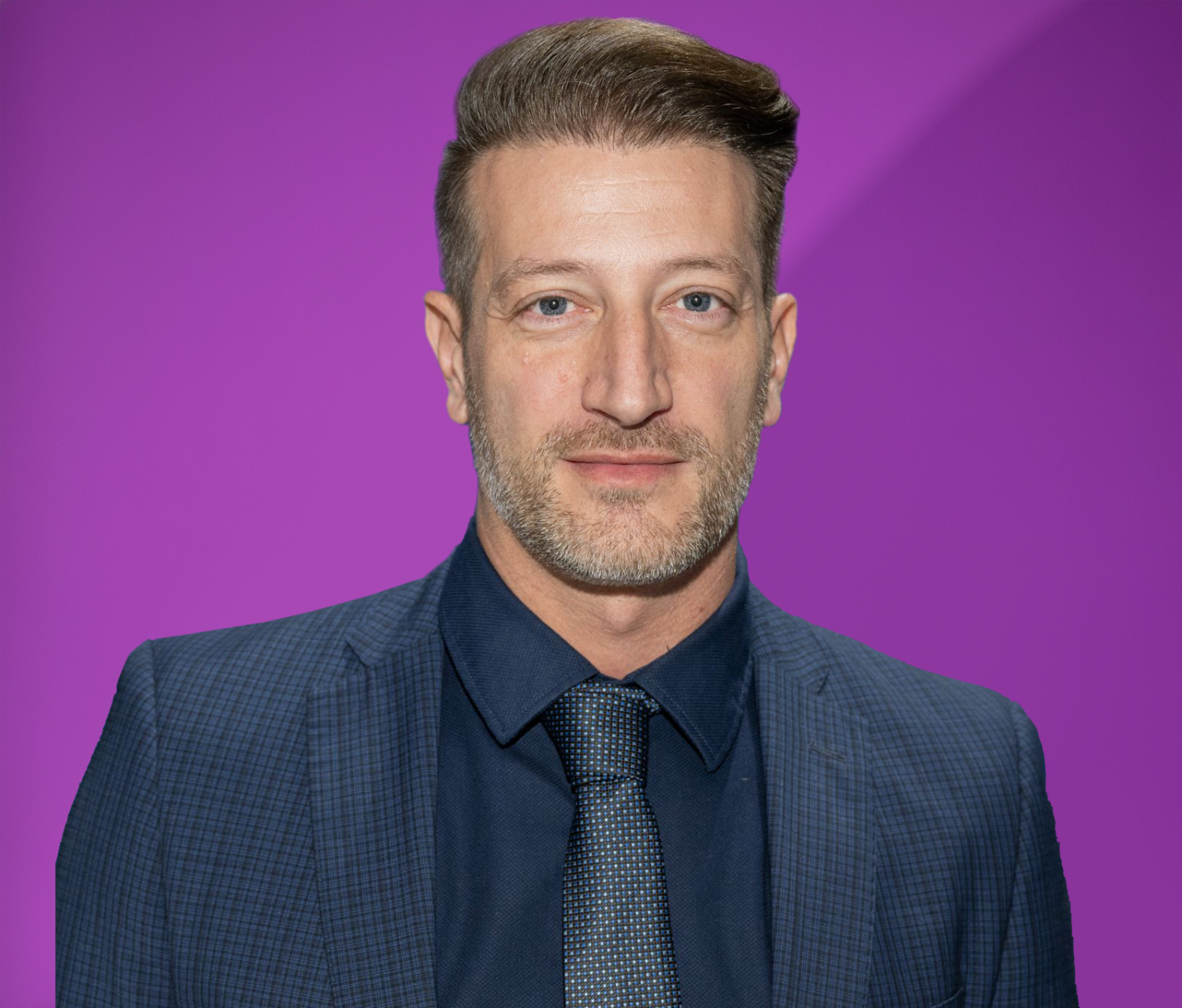
Niccolo Stefani is Business Leader for Population Health & Clinical AI at DeepHealth, where he drives strategy and product development for AI-powered solutions to enable stage-shifting disease detection. Niccolo has more than 20 years of leadership in healthcare technology, leading customer success strategies, clinical marketing, product development, and commercial execution across global markets.
Niccolo leverages deep clinical knowledge to drive business and product innovation, fueled by a personal mission to lead the transformation of healthcare from reactive diagnostics into proactive population health management. His leadership philosophy centers on “high-tech to high-impact”, ensuring innovations are deployed at scale for better outcomes and experiences.
