



What You Should Know
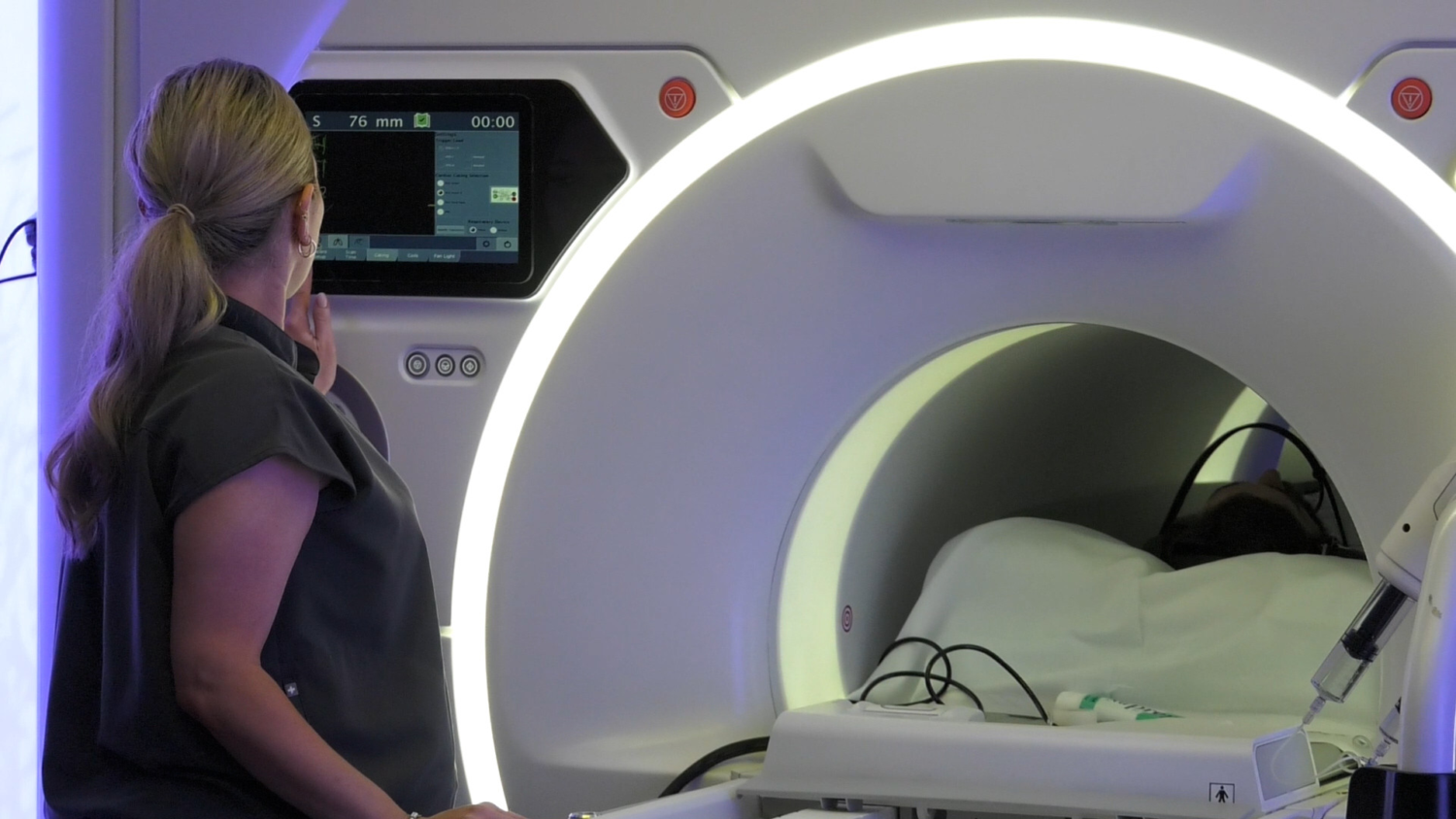
- Intermountain Medical Center in Murray, Utah, is the first hospital in Utah—and only the second in the United States—to deploy GE HealthCare’s SIGNA Sprint Elite MRI system.
- GE HealthCare’s SIGNA Sprint Elite MRI system utilizes embedded artificial intelligence reconstruction software and advanced high-performance gradient hardware to reduce scan acquisition times and enhance diagnostic clarity for complex cardiovascular and oncologic conditions.
AI-Driven Clarity and Free-Breathing Scans
The newly installed system integrates deep-learning reconstruction software that filters out background electrical interference and boosts signal-to-noise ratios. The resulting image clarity allows clinicians to map damaged heart tissue and pinpoint oncological lesions with far greater precision than previous-generation scanners.
“A moving heart with blood flowing through it is one of the hardest things to get clear images of without taking long periods of time in an MRI machine,” said Brent Wilson, MD, an Intermountain Health cardiologist at Intermountain Medical Center. “These clearer images allow us to use new approaches to mapping out injured areas of heart tissue which improves our treatments. This is a big leap forward in cardiac MRI, and we’re excited to be one of the first in the United States using it.”
For cardiac patients, the most noticeable change is comfort: the scanner’s speed and software enable clean image capture without requiring patients to repeatedly hold their breath.
Operational and clinical advantages of the system include:
- Faster Throughput: Shorter examination times reduce scanner bottlenecks, helping the imaging center process more scans and cut scheduling delays for urgent cancer and cardiac evaluations.
- Detailed Tissue Mapping: Delivers high-resolution imaging that helps cardiologists identify subtle areas of myocardial scarring and evaluate post-infarction damage.
- Enhanced Oncology Staging: Improves diffusion-weighted imaging to help oncologists evaluate tumor margins and monitor how lesions respond to treatment.
Healthcare systems that modernize their physical diagnostic footprint with embedded AI image reconstruction will establish the benchmark for clinical diagnostic accuracy and patient-centered imaging delivery.
