

Close Menu

    Subscribe to Updates

    Get the latest creative news from Healthradar about News,Health and Gadgets.

    Bitte aktiviere JavaScript in deinem Browser, um dieses Formular fertigzustellen.
    Wird geladen
    What's Hot

    The walking sandals my entire family wears just got a rare discount — up to 50% off bestselling Teva sandals

    23. Mai 2026

    Garmin’s top watches are cheaper than ever this weekend — up to 35% off the Vivoactive 6, Forerunner 265, Instinct 3 and more

    23. Mai 2026

    ‘We believe voice is the future… When the era of AI comes in, a lot of the interaction between the watch or the app with consumers will change’ — Why Coros is betting on voice to be the key to beating Apple and Garmin

    23. Mai 2026
    Facebook X (Twitter) Instagram
    Facebook X (Twitter) Instagram Pinterest Vimeo
    healthradar.nethealthradar.net
    • Home
    • Ai
    • Gadgets
    • Health
    • News
    • Contact Us
    Contact
    healthradar.nethealthradar.net
    Home»Health»Risk of Death Higher In Extreme Heat
    Health

    Risk of Death Higher In Extreme Heat

    HealthradarBy Healthradar18. August 2025Keine Kommentare4 Mins Read
    Share Facebook Twitter Pinterest LinkedIn Tumblr Reddit Telegram Email
    Risk of Death Higher In Extreme Heat
    Share
    Facebook Twitter LinkedIn Pinterest Email


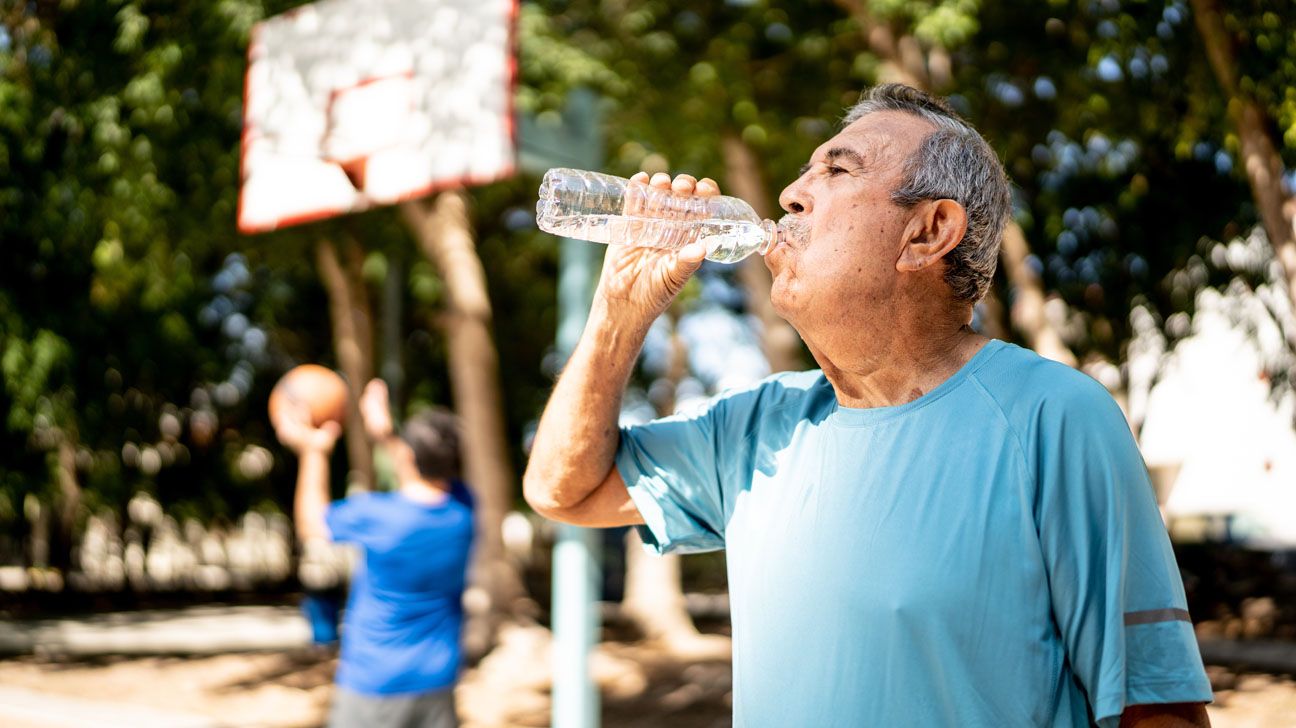
    Older male drinking water outside in heatShare on Pinterest
    Heat-induced dehydration can place stress on the heart and raise the risk for serious cardiac events. FG Trade Latin/Getty Images
    • Higher temperatures can raise the risk of heat-related illness, especially for older adults.
    • Extreme heat can place stress on the heart, which could be deadly for those with underlying cardiovascular conditions.
    • A cardiologist shares how extreme heat affects heart function and offers tips for staying heart healthy during hotter weather.

    As summer draws to a close and extreme temperatures fade into the rearview, heat advisories persist across some parts of the United States.

    Cardiovascular risks, especially for older adults living in low socioeconomic status, are of particular concern.

    A recent study published in Scientific Reports highlights how social determinants of health affect cardiovascular risk. The findings indicate that people living in low-income status with limited healthcare access face higher risks of death from cardiovascular disease.

    As heat-related health risks are projected to double over the next two decades, the American Heart Association (AHA) warns these risks could be deadly for those with heart disease.

    Heat-induced dehydration can place stress on the heart and raise the risk for serious cardiac events, such as heart valve failure (HVF).

    “Extreme heat exerts significant strain on the cardiovascular system, leading to both immediate and long-term negative effects on heart function,” said Naddi B. Marah, MD, an interventional and structural cardiologist with Memorial Hermann Health System.

    Healthline recently spoke with Marah to learn more about heat-related cardiovascular risks like HVF and how to protect your heart health during heat waves.

    This interview has been lightly edited for clarity.

    Marah: This is a very important distinction — and not always a clear-cut one. Heat exhaustion is most likely caused by recent heat exposure and typically includes symptoms like:

    • heavy sweating
    • fatigue
    • weakness
    • dizziness
    • nausea
    • cool, clammy skin

    It’s usually related to dehydration from fluid loss and improves with rest, cooling, and rehydration.

    However, if someone experiences chest pain, shortness of breath, confusion, palpitations, or low blood pressure, we become more concerned about a cardiac cause, especially if it’s worse with activity, such as feeling short of breath with minimal activities, such as climbing a flight of stairs.

    Marah: Heat exposure can act as a cardiovascular stress test. In people with heart valve disease, this additional stress can trigger decompensation, where the heart is unable to pump enough blood to meet the body’s needs.

    Older adults, people with longstanding cardiovascular disease, and especially those taking diuretics or other medications affecting fluid balance, are particularly vulnerable during heat waves, as their hearts’ compensatory mechanisms are often impaired.

    HVF can worsen with physical activity and often develops swelling in the legs. It is critical to seek medical evaluation if your initial symptoms do not improve rapidly with cooling or hydration.

    That’s why it’s essential to recognize that heat isn’t just uncomfortable — it’s a legitimate health risk, especially for those with known or suspected cardiovascular issues.

    Marah: Individuals most at risk for HFV and other underlying heart conditions are adults over 65, and those with other medical conditions, such as:

    • high blood pressure
    • diabetes
    • high cholesterol
    • obesity
    • kidney disease

    A family history of cardiovascular disease also raises your risk, especially if close relatives had heart valve problems or cardiac events at a young age.

    If you’re experiencing symptoms such as shortness of breath, fatigue, swelling in the legs, palpitations, or fainting spells, those can be signs that your heart valves aren’t functioning properly.

    Marah: Protecting your heart during heatwaves involves both lifestyle adjustments and, in some cases, medication management.

    Some key strategies include:

    • staying well-hydrated
    • avoiding outdoor strenuous activity during peak heat
    • using air conditioning or seeking cool environments
    • dressing in light, breathable fabrics

    Most importantly, monitor for early symptoms of decompensation, including shortness of breath, chest pain, and palpitation.

    Don’t hesitate to review your medications with your doctors, and ask if dose adjustments may be necessary during heatwave alerts.

    I always tell people, “Don’t wait for symptoms to take the lead.” See your cardiologist for a simple screening, which can catch heart valve issues early and keep your heart beating strong for years to come.


    Source link

    death Extreme extreme heat cardiovascular disease heart health heat Higher risk
    Share. Facebook Twitter Pinterest LinkedIn Tumblr Email
    Previous ArticleHeart devices pace medtech’s summer funding flows
    Next Article The West Texas Measles Outbreak Has Ended
    ekass777x
    Healthradar
    • Website

    Related Posts

    Health

    At last, a pill that can prevent COVID after exposure to infected people

    17. Mai 2026
    Health

    Africa CDC to Coordinate Response to New DR Congo Ebola Outbreak

    16. Mai 2026
    Health

    6.4 to 7.8 Hours a Night May Slow Biological Aging

    16. Mai 2026
    Add A Comment
    Leave A Reply Cancel Reply

    Top Posts

    Marvel’s Dyasonic: A Superhero Powered by Sound—and Diabetes Tech

    13. Juni 2025218 Views

    Tombot Secures $6.1M to Bring Lifelike Robotic Puppy to Seniors with Dementia –

    19. Juni 2025209 Views

    Luna ring review | TechRadar

    26. Dezember 2025147 Views

    Serena-backed health tech lands first FDA approval for home cervical cancer test

    31. Mai 2025141 Views
    Stay In Touch
    • Facebook
    • YouTube
    • TikTok
    • WhatsApp
    • Twitter
    • Instagram
    Latest Reviews

    Subscribe to Updates

    Bitte aktiviere JavaScript in deinem Browser, um dieses Formular fertigzustellen.
    Wird geladen
    About Us

    Welcome to HealthRadar.net — your trusted destination for discovering the latest innovations in digital health. We are dedicated to connecting individuals, healthcare professionals, and organizations with cutting-edge tools, applications

    Most Popular

    Marvel’s Dyasonic: A Superhero Powered by Sound—and Diabetes Tech

    13. Juni 2025218 Views

    Tombot Secures $6.1M to Bring Lifelike Robotic Puppy to Seniors with Dementia –

    19. Juni 2025209 Views
    USEFULL LINK
    • About Us
    • Contact Us
    • Disclaimer
    • Privacy Policy
    QUICK LINKS
    • Ai
    • Gadgets
    • Health
    • News
    • About Us
    • Contact Us
    • Disclaimer
    • Privacy Policy
    Copyright© 2025 Healthradar All Rights Reserved.

    Type above and press Enter to search. Press Esc to cancel.