



- A small study found that young non-smokers who eat more fruit, vegetables, and whole grains are more likely to develop lung cancer than the general population.
- The researchers speculate that this could be due to pesticides used on crops.
- The study is small in sample size and does not prove causation, so experts caution against reducing fruits and vegetable intake.
Younger nonsmokers who eat a higher quantity of fruits, vegetables, and whole grains are more likely to develop lung cancer than the general population.
The research has not yet been published in a peer-reviewed scientific journal, but the authors speculate that their findings may be linked to pesticide use in crops.
“Our research shows that younger non-smokers who eat a higher quantity of healthy foods than the general population are more likely to develop lung cancer,” said Jorge Nieva, MD, a medical oncologist and lung cancer specialist with USC Norris and lead investigator of the study, in a statement.
“These counter-intuitive findings raise important questions about an unknown environmental risk factor for lung cancer related to otherwise beneficial food that needs to be addressed,” Nieva continued.
The researchers note that non-organic fruits, vegetables, and whole grains produced commercially typically have higher levels of pesticides than many processed foods, as well as meat and dairy.
Existing research that found agricultural workers who are exposed to pesticides have higher rates of lung cancer may support this theory.
Rates of lung cancer in the United States have been
“This trend is quite concerning. I think it is important for us to better understand through research why non-smokers are getting lung cancer,” Jimmy Johannes, MD, a pulmonologist and critical care medicine specialist at MemorialCare Long Beach Medical Center in Long Beach, California, who was not involved in the research, told Healthline.
In undertaking their study, the researchers surveyed 187 patients who received a diagnosis of lung cancer by the time they were 50.
The participants were asked to give details of their smoking history, diet, and demographics.
The majority of those studied reported that they had never smoked and also were diagnosed with a type of lung cancer that is biologically different than the type of lung cancer that is caused by smoking.
The researchers then used the Healthy Eating Index (HEI) to compare the diets of those surveyed with the general U.S. population. The Healthy Eating Index ranks Americans’ diets on a scale of 1-100.
Young, non-smoking patients who had lung cancer had an HEI score of 65 out of 100, compared with the average U.S. score of 57.
The researchers found that women scored higher than men.
On average, those with lung cancer ate more fruit, vegetables, and whole grains than the average U.S. population.
The study authors note that further research is needed to examine the link between pesticides and lung cancer among young people, especially in females.
The study authors say the next step in the research would be to confirm the association between pesticides and lung cancer in young people by measuring pesticide levels in blood and urine samples from lung cancer patients.
“This work represents a critical step toward identifying modifiable environmental factors that may contribute to lung cancer in young adults,” Nivea said in a statement. “Our hope is that these insights can guide both public health recommendations and future investigation into lung cancer prevention.”
Experts who spoke with Healthline caution that people shouldn’t reduce their intake of fruits and vegetables based on the results of the study, which is small in sample size and doesn’t prove causation.
“This study raises an important question, but doesn’t directly measure pesticide exposure in participants. Decades of evidence still show that diets rich in fruits and vegetables help lower cancer risk. People should not reduce their intake of plant foods based on this study alone,” Melissa Mroz-Planells, a registered dietitian nutritionist in private practice, told Healthline.
Pesticides are known to be carcinogenic, but experts say reducing or eliminating them from agricultural production would require a significant overhaul of food supply systems.
“The fact is, pesticides and herbicides are poison. They’re meant to kill pests and bugs. They were developed during wartime… and now are sprayed on almost everything and contaminate much of the food supply,” Dana Hunnes, PhD, a senior dietitian supervisor at UCLA Health, told Healthline. Hunnes wasn’t involved in the research.
“They should be included/discussed in dietary guidelines, which is more a downstream approach, but ought to be regulated or eliminated if we want a more comprehensive upstream/public health approach. However, that requires political will, money to change how farmers and ranchers grow food, and a complete overhaul of food systems.”
The reason for lung cancer rates among young non-smokers remains unknown, and the USC study offers just one theory yet to be confirmed.
George Chaux, MD, a board certified interventional pulmonologist and medical director of Interventional Pulmonology at Providence Saint John’s Health Center in Santa Monica, CA, said it could be a number of factors contributing to the trend. Chaux wasn’t involved in the study.
“The rising trend of lung cancer amongst younger non-smoking individuals is concerning but remains relatively rare and is mostly tied to
“Pesticides are known to be carcinogens, and there is a higher risk of lung cancer associated with heavy exposure, such as in agriculture workers, as cited in this study,” he said.
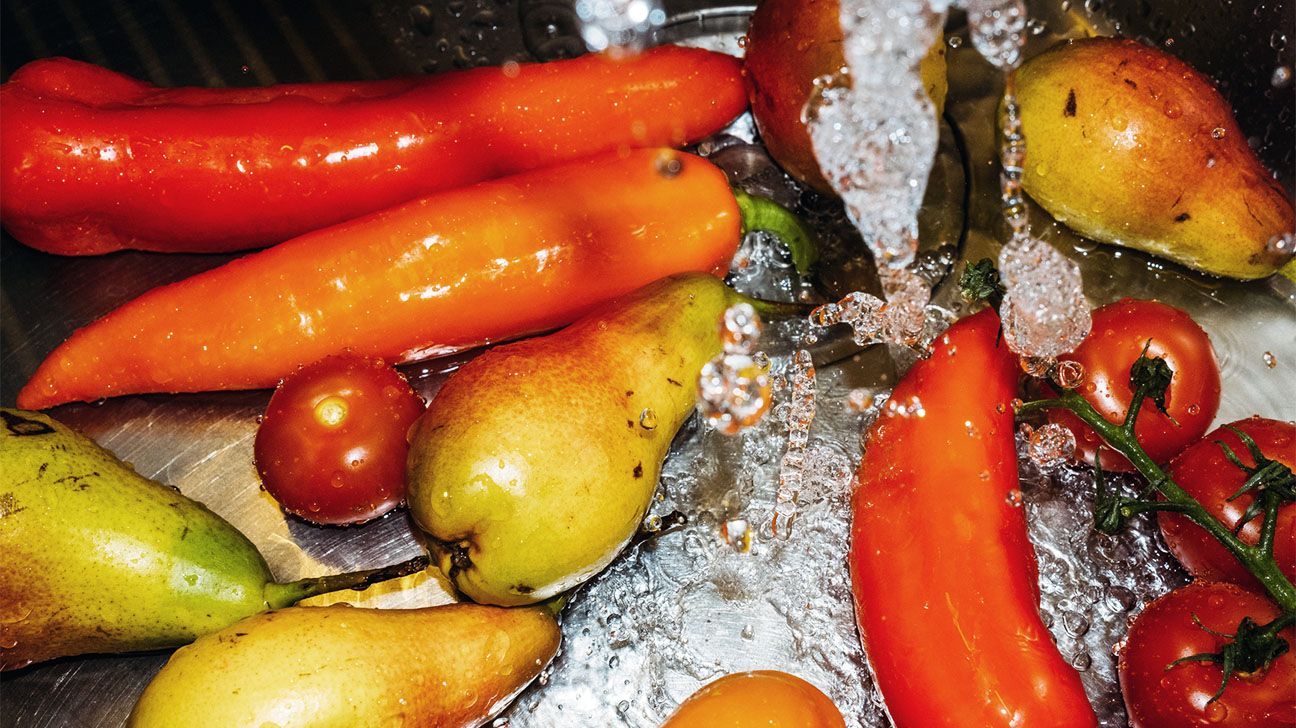
“This is why washing your fruits and vegetables before eating raw foods is very important. I would not conclude from this data nor recommend that people stay away from a healthy diet of fruits and vegetables, which has been conclusively shown to improve overall health, including risk of colon cancer and heart disease. I would also not necessarily recommend organic foods, which tend to be more expensive; the best approach is to wash your fruits and vegetables well before you eat them,” Chaux continued.
Amy Bragagnini is a clinical oncology dietitian at Trinity Health Lacks Cancer Center. She wasn’t involved in the study but said that, regardless of whether produce is organic, rinsing before eating is a good idea.
“When eating fresh produce, I first encourage my patients to thoroughly wash all produce that they consume, regardless of the produce being organic or conventional. Rinsing under cold water and using a light friction can reduce bacteria, dirt, chemicals, and pesticides,” she told Healthline.
“In addition, I encourage my patients to frequent local farmers’ markets if they have one close to them and to grow their own produce if they are able. There is nothing more satisfying than picking ingredients for your family’s salad right out of your backyard,” Bragagnini said.
