



- A sweeping executive order aims to fast-track psychedelic therapies, putting drugs like ibogaine in the national spotlight.
- The policy expands research funding, accelerates FDA review pathways, and opens access routes for patients with serious mental illness.
- The executive order explicitly calls out ibogaine therapy, despite limited research and serious questions about its safety profile.
- The move coincides with Trump’s recent call to reclassify medical cannabis as a less dangerous drug, marking major shifts in national policy around controlled substances.
President Trump signed an executive order aimed at expanding research and improving access to psychedelic drug therapies.
The April 18 order also aims to streamline and expedite the Food and Drug Administration’s approval process for certain high-priority treatments.
The Trump administration has touted the executive order as an important step toward addressing the nation’s mental health crisis, especially among U.S. veterans, who bear an outsized share of that burden.
A diverse coalition, including psychedelic research organizations, medical professionals, veterans groups, and podcaster Joe Rogan, has publicly celebrated the decision.
The order also allocates $50 million to support state-level psychedelic research. The shift in policy coincides with Trump’s recent move to reclassify medical cannabis as a less dangerous drug.
Matthew Johnson, PhD, professor of psychiatry and behavioral sciences at Johns Hopkins University, called the decision “welcome news,” adding that it is “building upon decades of science.”
Psychedelics are a class of drugs that act on the body’s serotonin system. They can produce well-known effects, including changes to visual perception, hallucinations, an altered sense of self, and feelings of insight or connection. Primary examples of psychedelics include LSD, psilocybin (“magic mushrooms”), and DMT.
The President’s executive order is one of the boldest federal actions on psychedelic drugs to date.
However, it is also being met with caution by some experts who expressed concern that expedited FDA approval of experimental therapies could be harmful to patients.
“It’s important to explore the use of psychedelics to treat [hard-to-treat] disorders like PTSD, that’s completely reasonable,” said Richard Friedman, MD, psychiatrist and director of the Psychopharmacology Clinic at Weill Cornell Medicine.
“What we don’t want to do is speed up the testing and evaluation of drugs if it means that we’re giving short shrift to the rigorous analysis of safety,” Friedman told Healthline.
Trump’s executive order is intended to target “the burden of suicide and serious mental illness rates in Ameica” through a number of levers involving research, access, and FDA review.
Here are the main points:
Breakthrough Therapy is an expanded
The voucher program is designed to shorten the FDA’s review period for such drugs; a process that might typically take six months or more could be reduced to 1 or 2 months.
Taken together, these two programs could significantly accelerate the development and approval of high-priority psychedelic therapies with promising clinical data.
Next, the order seeks to expand psychedelic research by allocating $50 million through the Advanced Research Projects Agency for Health (ARPA-H) to match state investments in psychedelic research programs. It also requires collaboration among the FDA, the Department of Health and Human Services (HHS), the Department of Veterans Affairs, and the private sector to increase interest and participation in psychedelic research clinical trials.
For patients, the executive order emphasizes the use of the
A White House fact sheet explicitly includes experimental psychedelic therapies within the scope of the Right to Try Act, so long as they “have met basic safety requirements.”
While psychedelic therapy drugs, including psilocybin, MDMA, and ibogaine, all remain illegal Schedule I drugs, the executive order preemptively addresses potential rescheduling and legality based on therapeutic potential.
According to the White House, the order will direct the Attorney General of the United States to prepare for the rescheduling of specific drugs “as soon as possible,” following the successful completion of Phase 3 clinical trials.
“In most places, psychedelic possession is still a felony. The drug war on psychedelics is not over,” Johnson said.
Then there’s the issue of one drug in particular, the only one specifically named in the executive order: ibogaine.
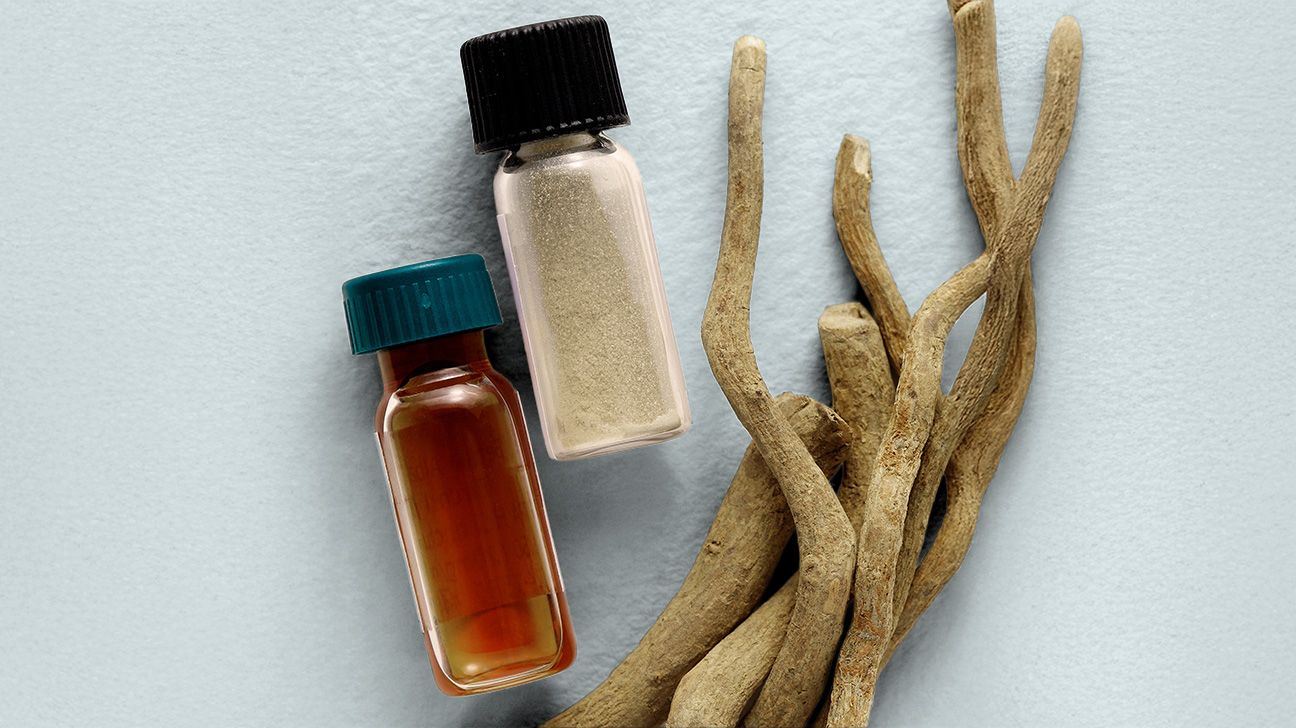
Ibogaine is a naturally occurring psychoactive compound derived from the roots of the Tabernanthe iboga, a shrub native to Central Africa.
Ibogaine has become a cause célèbre among veteran groups for its supposedly transformative effects on those who live with PTSD and substance use disorder.
“Many of these individuals have essentially made it their life’s mission to send their fellow vets down [to Mexico] to get access to ibogaine clinics and treatment, as well as sowing the seeds in the United States to kind of move things along so we can get that approved here,” Johnson said.
Prominent individuals, including former Texas Governor Rick Perry and Robert O’Neill, the former Navy SEAL who killed Osama Bin Laden, have become outspoken supporters of ibogaine therapy. Then there’s Joe Rogan, the most widely listened-to podcaster in the United States and a noted psychedelic advocate, who has expressed support for ibogaine therapy.
The field is also moving forward in other domains of mental health. In perhaps the most high-profile study on ibogaine to date, researchers at Stanford found that ibogaine therapy had profound effects on PTSD, depression, and anxiety symptoms in U.S. combat veterans with traumatic brain injury (TBI).
The treatment had an immediate impact on mood and function in several domains of mental health. The average disability rating of the veterans prior to treatment was more than 30, but one month after treatment, it had dropped to just 5.1, a score that no longer indicated disability.
Other areas improved too; veterans experienced noticeable improvements in depression (87% reduction), PTSD symptoms (88% reduction), and anxiety (81%) reduction.
However, the trial was small — just 30 participants. While there were no serious adverse effects in that trial, the safety profile of ibogaine is a serious red flag for some in the field.
The wrinkle, according to experts, is that despite full-throated support from many in Trump’s circle, research on the drug remains significantly more limited than on other psychedelic therapies. There are serious concerns about its safety profile as well.
“In this field, in terms of FDA-approved trials, there’s been far more work and more advanced-stage work with psilocybin. And you could say the same thing for MDMA. Ibogaine is at a very different stage, in part because it’s been a more difficult challenge to get funding for the research and to get approval because it does have some additional safety concerns,” Johnson said.
Ibogaine, which is not a
“It is probably the most dangerous of all psychedelic-like compounds,” Friedman said. “Ibogaine is well known to have cardiotoxicity, which is not part of the public conversation, and that worries me.”
He points out that while its safety profile has been well documented, its therapeutic value has not.
“It’s not clear that ibogaine has distinctly advantageous pharmacologic benefits that classic psychedelics that are safer have,” he said.
Johnson, on the other hand, is generally more supportive of continued research despite other psychedelics being further along in the approval pipeline.
“All of these substances have been understudied,” he said. “It’s still an open question whether there’s something really special about ibogaine, but I’m very open to it.”
Set against the backdrop of the U.S. mental health crisis — especially among veterans, who have significantly higher rates of suicide, substance use disorders, and other mental health conditions than civilian populations — the Trump administration’s support for ibogaine suggests a willingness to accept potential risks.
Others, however, say that the focus on ibogaine in particular is both simplistic and dangerous:
“[Veterans] need more than just a magic molecule. They need an entire package of psychiatric treatment that includes empirically tested psychotherapies,” Friedman said.
“Anyone who knows anything about ibogaine would say pushing it as the first treatment to study is worrisome,” he added.
