



- A recent study has shown that fructose plays a role in driving disease.
- The research shows that the effects fructose can have on the body may be associated with metabolic syndrome.
- Understanding the effects of fructose on the body may help develop new strategies to prevent and treat metabolic diseases.
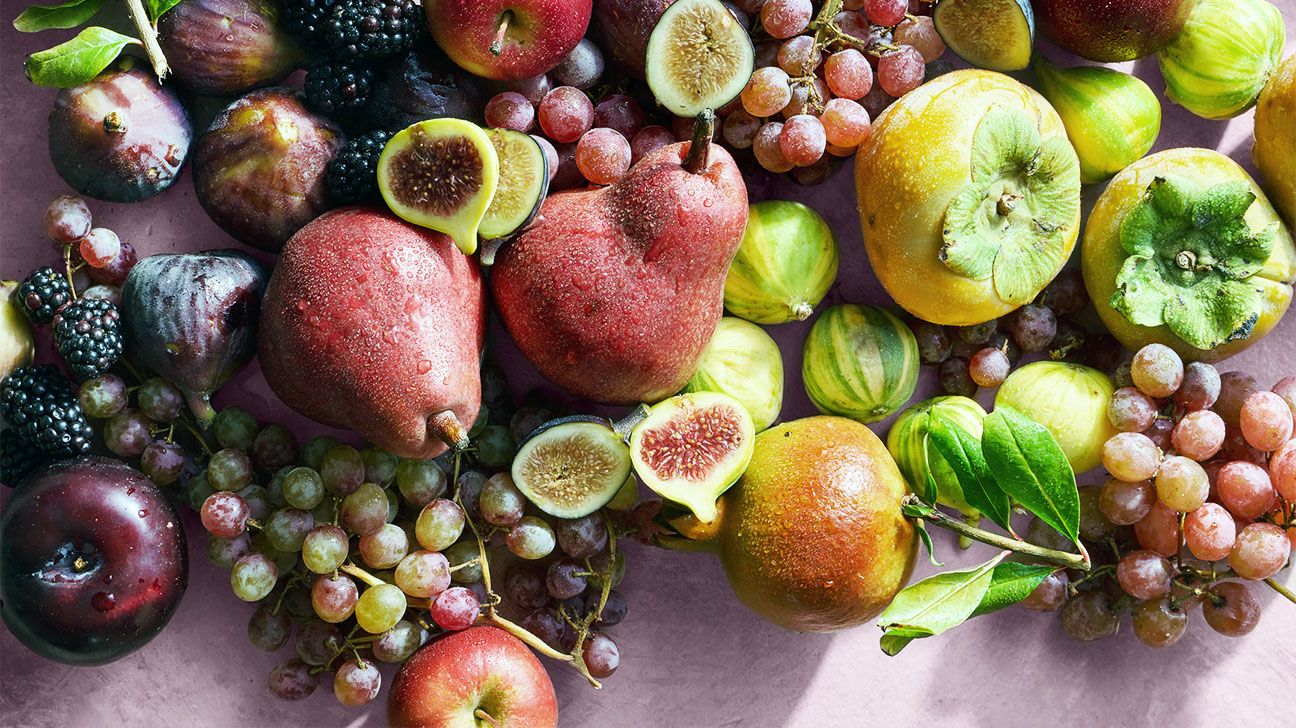
Fructose is a simple sugar that is found both naturally, in honey and fruits, and in sweeteners like high-fructose corn syrup and sucrose (table sugar).
A recent review published in
Consumption of fructose has grown significantly over the past few centuries, driven by the increased use of sweeteners in the average diet.
Fructose can be problematic because it has twice the sweetness of glucose. This may lead to increased cravings for more fructose-containing foods and drinks.
“Fructose found in these processed forms is not handled the same way as regular blood sugar,” said Michelle Routhenstein, preventive cardiology dietitian at EntirelyNourished, who wasn’t involved in the study.
“When it is consumed, it goes to the liver, where it easily turns into fat, which can build up in the liver and around the organs and contribute to conditions like fatty liver and metabolic syndrome,” she told Healthline.
Unlike glucose, fructose has unique metabolic effects. These effects may help contribute to obesity and related conditions.
“The emerging body of research suggests that fructose is not metabolically identical to all other carbohydrates, especially when it is consumed in excess through sugar-sweetened beverages and ultra-processed foods,” said Serena Poon, certified nutritionist & longevity wellness advisor. Poon wasn’t involved in the study.
“Excess calories still matter, but fructose may affect metabolism differently than other sugars, particularly in the liver … In my view, this supports a more nuanced conversation because it is not just about sugar in the abstract, but also about the form, dose, and dietary context in which fructose is consumed,” Poon told Healthline.
The review highlights how the metabolism of fructose bypasses key regulatory steps in the energy processing pathways. This can have various effects, including:
- increased fat synthesis
- depletion of cellular energy
- production of compounds associated with metabolic syndrome
The review points out that fructose metabolism can contribute to more than metabolic syndrome.
It has associations with:
“High intakes of ultra-processed or concentrated fructose can also raise uric acid and increase oxidative stress,” said Routhenstein.
Poon echoed these remarks. “There is also emerging evidence that high fructose exposure may affect appetite regulation, satiety signaling, and gut barrier function, especially when intake is chronic and concentrated in liquid form,” she said.
“That said, the strongest concerns are generally tied to patterns of habitual excess intake rather than to modest amounts consumed in whole foods.”
Poon cautioned that people should “not turn this into a fear-based conversation about all fructose-containing foods. Whole fruit can absolutely fit into a healthy dietary pattern and is consistently viewed differently from added sugars in the research.”
Routhenstein agreed. “The study is really about large amounts of added fructose (like in sodas and ultra‑processed foods), which overload the liver and drive fat buildup and metabolic problems, not the smaller amounts naturally present in whole fruit,” she said.
“Whole fruits don’t contain excessive amounts of fructose, and they come packaged with fiber and beneficial plant compounds. These beneficial compounds found in fruit help slow sugar absorption, and help reduce inflammation around the liver and support cholesterol-lowering and metabolic functions,” Routhenstein continued.
To limit your intake of fructose, Poon recommended reading food and beverage nutrition labels.
“Fructose often appears through ingredients such as high-fructose corn syrup, cane sugar, fruit juice concentrate, and other added sweeteners,” she said.
Routhenstein suggested limiting or avoiding sugar-sweetened beverages and juices.
Choosing whole fruit and focusing on minimally processed foods can also help.
“Increasing dietary fiber, and building meals around protein, healthy fats, and high quality carbohydrates can help reduce excess fructose exposure without making the diet feel unnecessarily restrictive,” Poon said.
“For most people, the goal does not need to be eliminating fructose entirely, but rather reducing habitual overload from processed foods and beverages,” she said.
