



Of the medical diagnoses that cause anxiety, sorrow, and despair for patients and their loved ones, Alzheimer’s is near the top of the list. An incurable condition that slowly robs people of memory, identity, and independence, Alzheimer’s puts immense financial and emotional burdens on families.
That may be changing for more than 7 million Americans living with the disease, and the hundreds of thousands more who are newly diagnosed each year. A new wave of scientific and technological innovation is beginning to brighten what has been a dark picture, bringing with it a sense of hope.
Despite the limited benefits of the pharmaceutical approach to Alzheimer’s, some 80% of people surveyed by the Alzheimer’s Association say they are now optimistic that new treatment techniques will make a meaningful difference when it comes to managing, slowing, and even curing the condition.
This optimism is well-placed because today’s biomedical innovators are going far beyond a drug-based approach, looking toward technology and non-invasive treatment modalities while eliminating previously insurmountable barriers, including limited effectiveness, high costs, and potentially dangerous side effects.
Troubling Statistics
Nearly 11% of the total U.S. population has been diagnosed with Alzheimer’s dementia, according to the Alzheimer’s Association’s 2025 Alzheimer’s Disease Facts and Figures report. The majority are those aged 75 and older.
The condition is substantially underdiagnosed, the association points out, especially in the earlier stages when symptoms are less noticeable. Mild cognitive impairment (MCI), a precursor to Alzheimer’s and other dementias, is missed or misdiagnosed at even higher rates.
Even more troubling is the fact that roughly half of Medicare beneficiaries with Alzheimer’s or dementia diagnoses in their billing records report they were never informed of their condition. These diagnostic gaps delay treatment planning, increase costs, and compromise early intervention when current therapies are most effective at slowing the disease’s progression.
Modest Gains
When it comes to treatments for Alzheimer’s, the options are limited. The FDA has approved Lecanemab (Leqembi®) and Donanemab (Kisunla™), both of which slow the progression of the disease modestly in early-stage patients. Both are monoclonal antibody (MAB) infusions that target and clear beta-amyloid plaques, which have been closely linked to Alzheimer’s.
But these drugs are not cures. MAB therapies are expensive. Without insurance, Leqembi costs about $26,000; donanemab, about $32,000. Those figures don’t include costs associated with infusion visits or MRIs to monitor for potential side effects of both drugs. Also, MAB infusions can slow, but not stop, the rate of cognitive decline and can mask certain symptoms. Nor can they stop the underlying disease. The drugs also carry risks of brain swelling and microhemorrhages for significant numbers of patients, which means people taking them need frequent MRI monitoring.
These drugs hint at the promise but also show the limitations of today’s Alzheimer’s treatments: Progress only comes with high costs and continuous side-effect management. And the disease is only slowed, not reversed.
The Innovation Catalyst
Fortunately, the pharmaceutical approach no longer dominates innovation in Alzheimer’s treatments. Device-based therapies, new diagnostic tools, and other innovations are moving the ball forward where yesterday’s treatments have fallen short.
StartUp Health’s Alzheimer’s Moonshot Community, launched in early 2024 with support from Gates Ventures and the Alzheimer’s Drug Discovery Foundation’s Diagnostic Accelerator (DxA), is where much of this progress can be experienced.
The community is a global network of companies that work across every stage of Alzheimer’s care, from early detection and diagnosis to treatment and ongoing support. The community’s goal is a worthy one: accelerate progress against the disease through cross-disciplinary collaboration between scientists, technologists, entrepreneurs, and investors. This integrated approach is breaking the pattern of isolated, largely drug-based, research efforts that have long hampered Alzheimer’s progress.
New, More Attainable Approaches
Some of the most exciting breakthroughs are happening outside the traditional drug model. Moonshot Community and other innovators are advancing noninvasive, technology-driven approaches designed to restore or protect brain function with fewer risks and at lower costs than monoclonal antibody therapy.
One Moonshot company is conducting clinical trials on a personalized, closed-loop neuromodulation therapy that works by enhancing neuroplasticity via neurostimulation of key brain networks involved in memory. Another recently raised $14 million for its wearable ultrasound helmet that uses sonic waves to stimulate neural activity and restore cognitive function, while a third community member r has created a mobile app that has been classified as a Class I medical device and promotes behavioral activation to slow cognitive decline.
Other innovators are harnessing the glymphatic system, a network of channels in the brain that can flush out amyloids and other toxic proteins that have been linked to Alzheimer’s. One Moonshot Community standout raised a Series A round from investors over the summer for its Transcranial Electromagnetic Treatment, leveraging Radio Frequencies (TEMT-RF), a therapy designed to halt and even reverse cognitive decline. A lightweight headset worn during daily at-home sessions, the device emits radio frequencies that appear to disrupt toxic protein aggregates, rebalance immune activity in the brain, and increase cellular energy production.
A Turning Point for Alzheimer’s
After decades of halting, incremental progress, innovation is accelerating in the fight against Alzheimer’s disease. The combination of FDA-approved drugs and a healthy pipeline of non-drug and non-invasive therapies hints at a future where treatment is more personalized, accessible, and effective.
The road ahead may be long, but progress in the right direction is something patients, caregivers, and biomedical researchers can cheer as Alzheimer’s is transformed into a condition that is increasingly understood, managed, and eventually prevented.
By bringing together scientific rigor and entrepreneurial urgency, StartUp Health’s Alzheimer’s Moonshot and similar initiatives are pushing the boundaries of what’s possible in neurodegenerative disease care. It’s giving patients and their families something that has been in short supply: hope grounded in real progress.
About Chuck Papageorgiou
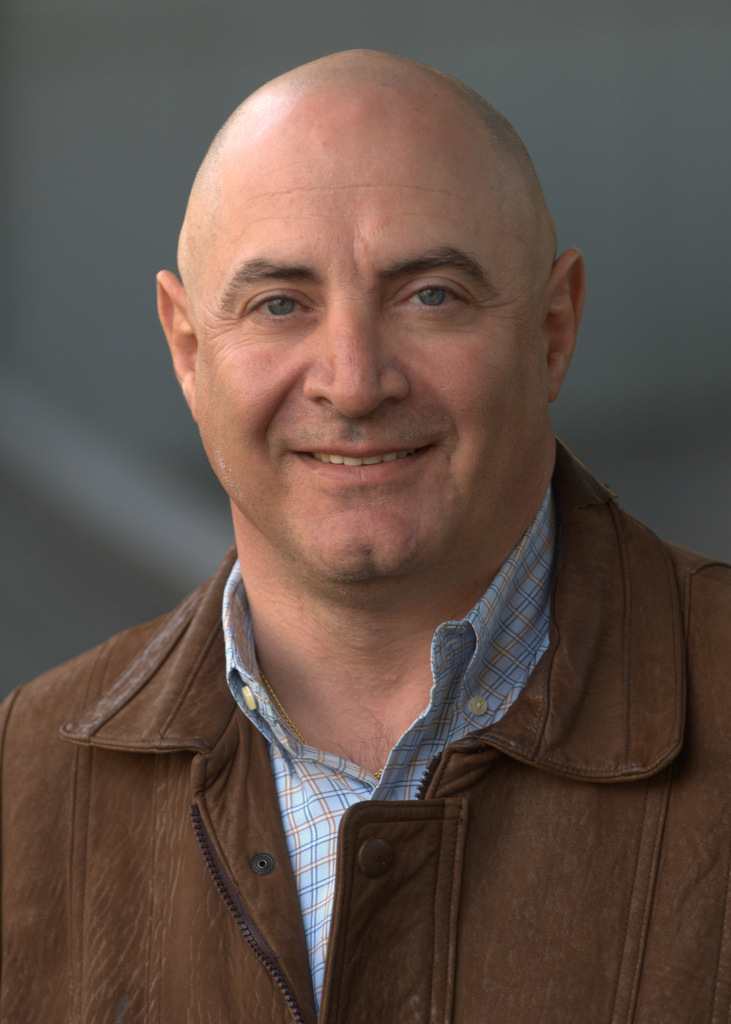
Chuck Papageorgiou is CEO of NeuroEM Therapeutics, a leading clinical-stage biotechnology research company focused on commercializing its proprietary Transcranial Electromagnetic Treatment leveraging Radio Frequencies (TEMT-RF) technologies against Alzheimer’s disease and cognitive decline.
Chuck Papageorgiou is a market-proven Executive Leader, Business Operator, Product and Solution Designer, and Enterprise Technologist with over two decades of global business experience in leading organizational turnarounds, business transformation, M&A, and launching startups. His extensive business and investor network values Chuck for his experience, knowledge, and results-driven approach, as well as his ‘get it done’ mentality and passion for building strong teams and client relationships, while helping others succeed.
As an entrepreneur, Chuck has founded and launched multiple companies over the last twenty years, raising over $15M in startup capital. As a corporate executive and consultant, he has managed organizations ranging from five-person startups and spin-off divisions to 15,000+ employee global operations. As a Sr. Advisor, he has led or advised on global M&A and restructuring transactions worth over 9 billion dollars in over 40 countries.
Chuck was a co-founder and the CEO of WorldWatch Plus–an AI-driven risk management company, sold to Dun and Bradstreet. He is a co-founder and current Managing Partner of Ideasphere Partners, LLC–an investment and advisory firm that delivers expertise and hands-on leadership and execution support in strategy, solution, and product development, operations streamlining, technology architecture and deployment, turnarounds, outsourcing, corporate alliances, and mergers and acquisitions. His clients have included Private Equity and Venture Capital firms and Corporations across the globe.
