

Close Menu

    Subscribe to Updates

    Get the latest creative news from Healthradar about News,Health and Gadgets.

    Bitte aktiviere JavaScript in deinem Browser, um dieses Formular fertigzustellen.
    Wird geladen
    What's Hot

    Stepful Secures $55M to Expand AI-Powered Healthcare Workforce Training

    10. Juni 2026

    Medtronic gets FDA nod for updated pulse oximetry system

    10. Juni 2026

    Blue Cross MA Inks Its First Oncology Value-Based Deal with Thyme Care –

    10. Juni 2026
    Facebook X (Twitter) Instagram
    Facebook X (Twitter) Instagram Pinterest Vimeo
    healthradar.nethealthradar.net
    • Home
    • Ai
    • Gadgets
    • Health
    • News
    • Contact Us
    Contact
    healthradar.nethealthradar.net
    Home»Health»Is Your Sleep App Helping or Just Stressing You Out?
    Health

    Is Your Sleep App Helping or Just Stressing You Out?

    HealthradarBy Healthradar21. April 2026Keine Kommentare4 Mins Read
    Share Facebook Twitter Pinterest LinkedIn Tumblr Reddit Telegram Email
    Is Your Sleep App Helping or Just Stressing You Out?
    Share
    Facebook Twitter LinkedIn Pinterest Email


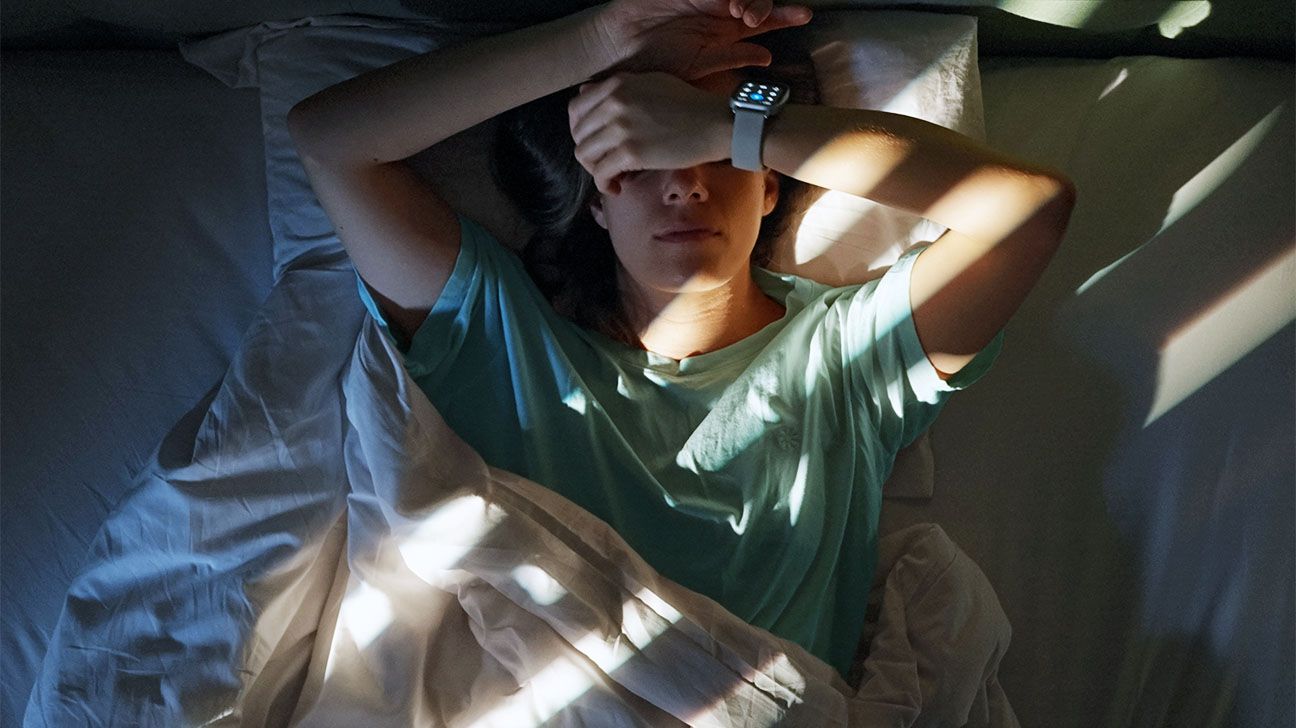
    Female wearing smart watch lying in bed with her hands covering her faceShare on Pinterest
    Research shows that using sleep apps may increase stress in people with insomnia. Image Credit: janiecbros/Getty Images
    • A recent study has found that the use of sleep apps may lead to negative effects in people with insomnia.
    • The researchers also note that sleep apps may not give an accurate image of your sleep.
    • Some researchers believe that constant sleep monitoring may lead to orthosomnia.

    A rising interest in sleep health and the availability of sleep apps have led to a significant increase in people tracking their rest.

    A recent study published in Frontiers in Psychology has found that sleep apps may be helpful to some people, but for those with insomnia, negative effects may be more likely.

    The researchers also note that these sleep apps may not provide an accurate picture of your sleep and may actually make it more difficult for people to rest.

    “In sleep medicine, there is something called orthosomnia, which is when people get anxious about sleep metrics, and in turn sleep more poorly from having that data. This study is in line with that concept,” said Alex Dimitriu, MD, a double board certified psychiatry and sleep medicine expert and founder of Menlo Park Psychiatry & Sleep Medicine. Dimitriu wasn’t involved in the study.

    Sleep apps may vary widely, but often track similar measures for sleep, such as:

    • how long it takes you to fall asleep
    • how long you sleep for
    • how restorative your sleep is

    Sleep app technology is still so new that more research is needed to understand exactly how different groups of people respond to it and how accurate it is.

    “The rapid development of sleep app technology requires the scientific community to keep up with technological advances,” first study author Håkon Lundekvam Berge of the University of Bergen said in a press release.

    To investigate this, the research team analyzed data from 1,002 adults in Norway. Participants were asked about their use of sleep apps, their sleep health, and whether they experienced positive or negative effects when using the apps.

    Around 46% of the survey participants stated they used, or had used, at least one sleep app. The survey showed that females and people under the age of 50 were more likely to use these apps.

    The results showed that males and females generally responded similarly to the apps. However, younger individuals reported stronger effects than older users.

    “We found that younger adults were more affected by the feedback from the sleep apps. They reported more perceived benefits, but also more worries and stress,” said Lundekvam in the press release.

    Participants reported positive effects more often than negative. Around 15% stated that sleep apps improved their sleep, while 2.3% reported their sleep was worse.

    Around 48% of participants reported they benefited from learning more about their sleep. However, 17% reported that the apps increased their worry about their sleep. One of the most important findings was that people with symptoms of insomnia were more likely to experience negative effects.

    The researchers noted that people with insomnia were more likely to experience negative thoughts and worries about sleep. They also found that difficulties disengaging from concerns related to sleep may have further influence over how individuals with insomnia engage with these apps.

    This shows that using sleep apps may increase stress and worry about sleep.

    “This study specifically identified people with insomnia as being more susceptible to negative feedback, and this makes sense, as insomniacs are a lot more likely to have anxiety. These apps give people things to worry about when they already have a lot to worry about in the first place,” said Dimitriu.

    The research team encourages further research into the relationship between insomnia and the use of sleep apps.


    Source link

    App helping sleep Stressing
    Share. Facebook Twitter Pinterest LinkedIn Tumblr Email
    Previous ArticleThe latest Fitbit Air leak gives us colors, a launch date, and a possible price — and I’ve got my money ready
    Next Article MiniMed posts double-digit sales growth, widening net loss
    ekass777x
    Healthradar
    • Website

    Related Posts

    Ai

    ‚This looks awesome‘: there’s now an unofficial, open source app for reading Whoop data that doesn’t need a subscription

    8. Juni 2026
    Ai

    Samsung Galaxy Watch users are getting a completely redesigned, AI-first app for a ‚personalized experience‘, whether they like it or not — and we only have to look at Fitbit to see how well that’s going

    4. Juni 2026
    Gadgets

    Here’s how Google is responding to Fitbit users who don’t like the new Health app

    27. Mai 2026
    Add A Comment
    Leave A Reply Cancel Reply

    Top Posts

    Marvel’s Dyasonic: A Superhero Powered by Sound—and Diabetes Tech

    13. Juni 2025327 Views

    Tombot Secures $6.1M to Bring Lifelike Robotic Puppy to Seniors with Dementia –

    19. Juni 2025291 Views

    Luna ring review | TechRadar

    26. Dezember 2025148 Views

    Serena-backed health tech lands first FDA approval for home cervical cancer test

    31. Mai 2025141 Views
    Stay In Touch
    • Facebook
    • YouTube
    • TikTok
    • WhatsApp
    • Twitter
    • Instagram
    Latest Reviews

    Subscribe to Updates

    Bitte aktiviere JavaScript in deinem Browser, um dieses Formular fertigzustellen.
    Wird geladen
    About Us

    Welcome to HealthRadar.net — your trusted destination for discovering the latest innovations in digital health. We are dedicated to connecting individuals, healthcare professionals, and organizations with cutting-edge tools, applications

    Most Popular

    Marvel’s Dyasonic: A Superhero Powered by Sound—and Diabetes Tech

    13. Juni 2025327 Views

    Tombot Secures $6.1M to Bring Lifelike Robotic Puppy to Seniors with Dementia –

    19. Juni 2025291 Views
    USEFULL LINK
    • About Us
    • Contact Us
    • Disclaimer
    • Privacy Policy
    QUICK LINKS
    • Ai
    • Gadgets
    • Health
    • News
    • About Us
    • Contact Us
    • Disclaimer
    • Privacy Policy
    Copyright© 2025 Healthradar All Rights Reserved.

    Type above and press Enter to search. Press Esc to cancel.